Understanding What Drives Wholesale Mini PC Pricing
Anyone who has requested quotes from multiple suppliers knows the experience. Prices vary wildly—sometimes by 30% or more for seemingly identical specifications. The wholesale mini PC market operates with complex pricing dynamics that can seem almost arbitrary from the outside. But there’s logic behind the numbers, even when it’s not immediately obvious.
Mini PCs have carved out substantial market share across digital signage, retail point-of-sale systems, office deployments, and home entertainment setups. The compact form factor appeals to businesses wanting computing power without the bulk. Yet purchasing these units in quantity requires understanding what actually determines the price tag.
Five core factors consistently shape wholesale costs more than anything else. Getting familiar with these elements helps buyers negotiate better deals and avoid overpaying for specifications they don’t actually need.
Factor 1 - Processor Selection in Wholesale Mini PC Orders
How CPU Choice Impacts Unit Cost
The processor represents the single largest cost driver in most configurations. It’s not particularly surprising—CPUs handle the heavy computational lifting. But the price gaps between tiers often catch buyers off guard.
| Processor Tier | Typical Use Case | Approximate Cost Impact |
|---|---|---|
| Entry-level Celeron/Atom | Digital signage, basic kiosks | Base pricing |
| Mid-range Core i3/Ryzen 3 | Office productivity, light multitasking | +$40 → +$80 per unit |
| Performance Core i5/Ryzen 5 | Professional workstations, content creation | +$100 → +$180 per unit |
| High-end Core i7/Ryzen 7 | Engineering, development, heavy computing | +$200 → +$350 per unit |
Generation and Architecture Considerations
Processor generation matters beyond the model number. A current-generation Core i3 often outperforms previous-generation Core i5 chips while consuming less power. Suppliers sometimes offer attractive pricing on older inventory—which can work fine for basic applications but may create compatibility or longevity issues.
Factor 2 - Memory and Storage Configuration
RAM Pricing Fluctuations
Memory pricing in the wholesale mini PC space follows semiconductor market cycles. Prices can shift 15-20% over just a few months based on supply conditions, manufacturing capacity, and global demand patterns.
Standard configurations typically include:
4GB RAM for basic computing and signage
8GB RAM for general business productivity
16GB RAM for multitasking and professional applications
32GB RAM for specialized workloads and future-proofing
The jump from 8GB to 16GB usually adds $25-45 per unit at wholesale volumes. Whether that upgrade makes sense depends entirely on deployment requirements.
Storage Type and Capacity
Solid-state drives dominate mini PC configurations now, though capacity choices significantly affect pricing. A 128GB SSD handles operating system and basic applications adequately. Moving to 256GB or 512GB adds $15-50 depending on market conditions and drive specifications.
NVMe drives command premiums over SATA SSDs but deliver substantially faster performance. For applications involving large file transfers or database operations, the upgrade justifies itself quickly.
Factor 3 - Order Volume and Wholesale Mini PC Discounts
Quantity Break Points
Volume purchasing unlocks pricing tiers that smaller orders simply cannot access. The wholesale mini PC business operates on margins thin enough that quantity commitments matter enormously to suppliers.
Typical discount structures look something like this:
Orders under 50 units receive standard wholesale pricing
Orders of 50-100 units qualify for initial volume discounts (3-7%)
Orders of 100-500 units unlock mid-tier pricing (8-15%)
Orders exceeding 500 units negotiate custom pricing (15-25%+)
These percentages vary by supplier, product line, and competitive situation. Some manufacturers offer better breaks at lower quantities to attract new customers. Others hold firm until order sizes justify their sales effort.
Commitment Flexibility Trade-offs
Larger commitments bring lower per-unit costs but introduce risks. Market conditions change. Project requirements evolve. Being locked into 500 units of a specific configuration when needs shift creates headaches.
Some suppliers offer flexible arrangements—committing to annual volumes while allowing configuration adjustments throughout the year. These deals typically land somewhere between single-order and full-commitment pricing.
Factor 4 - Customization and Branding Requirements
Physical Modifications
Stock configurations ship quickly at standard pricing. The moment customization enters the picture, costs start climbing.
Common modifications affecting wholesale mini PC pricing include:
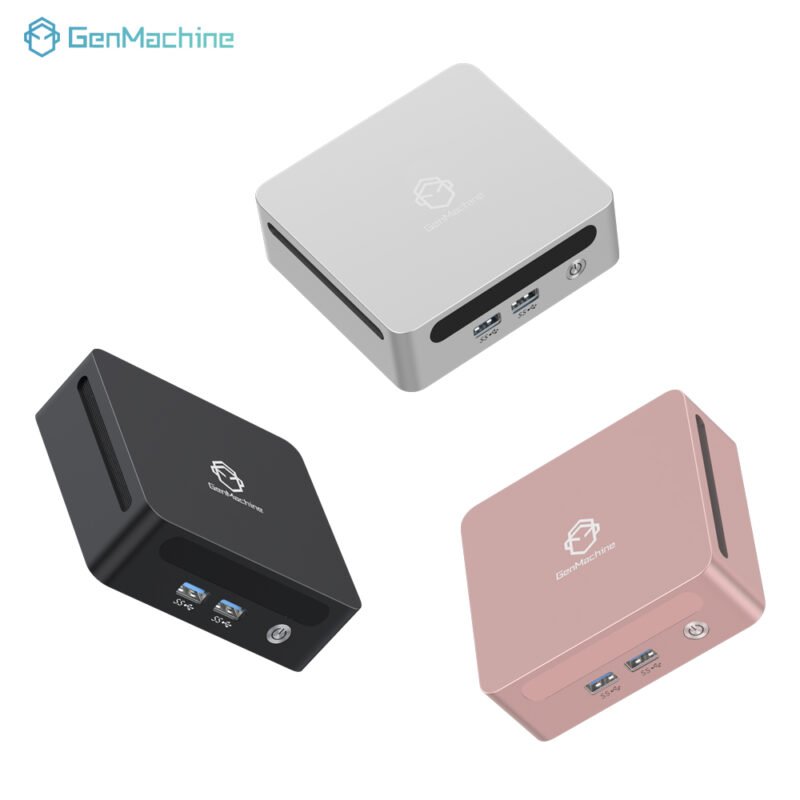
Custom chassis colors or finishes
Branded logo placement or printing
Modified port configurations
Non-standard mounting solutions
Special thermal management requirements
Factor 5 - Market Timing and Supply Conditions
Semiconductor Cycle Effects
The wholesale mini PC market rides waves created by broader semiconductor industry dynamics. Component shortages—like those experienced during recent years—push prices upward across the board. Oversupply periods create buyer-friendly conditions with aggressive discounting.
Timing major purchases around these cycles can save significant money, though predicting market movements remains challenging. Maintaining supplier relationships provides insight into upcoming pricing trends before they hit official quotes.
Seasonal Demand Patterns
Certain periods see increased demand that affects pricing and availability:
Q4 ordering pressure from retail and enterprise buyers
Back-to-school periods affecting consumer-adjacent products
End-of-fiscal-year purchasing rushes
Trade show cycles driving product refreshes
Planning orders during slower periods—often Q1 and early summer—sometimes yields better pricing and faster fulfillment.
FAQ
What minimum order quantity typically qualifies for wholesale mini PC pricing?
Most suppliers establish wholesale pricing thresholds between 10 and 25 units, though definitions vary. True volume discounting usually begins around 50 units, with significant price breaks appearing at 100+ unit commitments. Smaller quantities often route through distribution channels rather than direct manufacturer relationships.
How much can customization add to base wholesale mini PC costs?
Customization typically adds 5%–15% to base wholesale mini PC costs, depending on specs, branding, and volume. Higher MOQs and simpler tweaks lower the premium, while complex design or branding raise it.
Do wholesale mini PC prices negotiate significantly below listed rates?
Negotiation room exists, particularly for larger volumes and multi-year commitments. Discounts of 5-15% below initial quotes prove achievable in competitive situations. However, suppliers operating on thin margins have limits. Focusing negotiations on total value—including warranty terms, support commitments, and payment flexibility—often yields better outcomes than purely price-focused discussions.