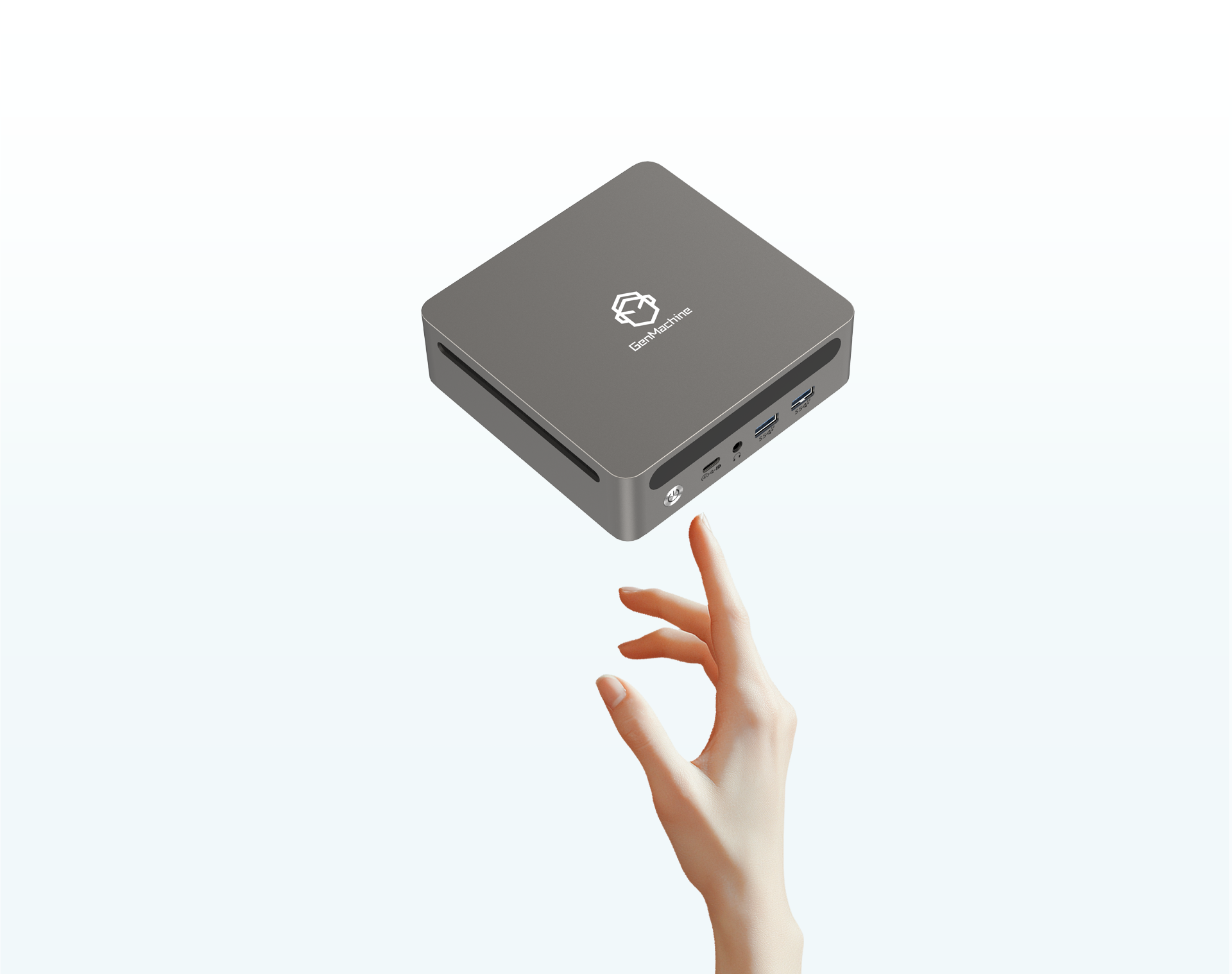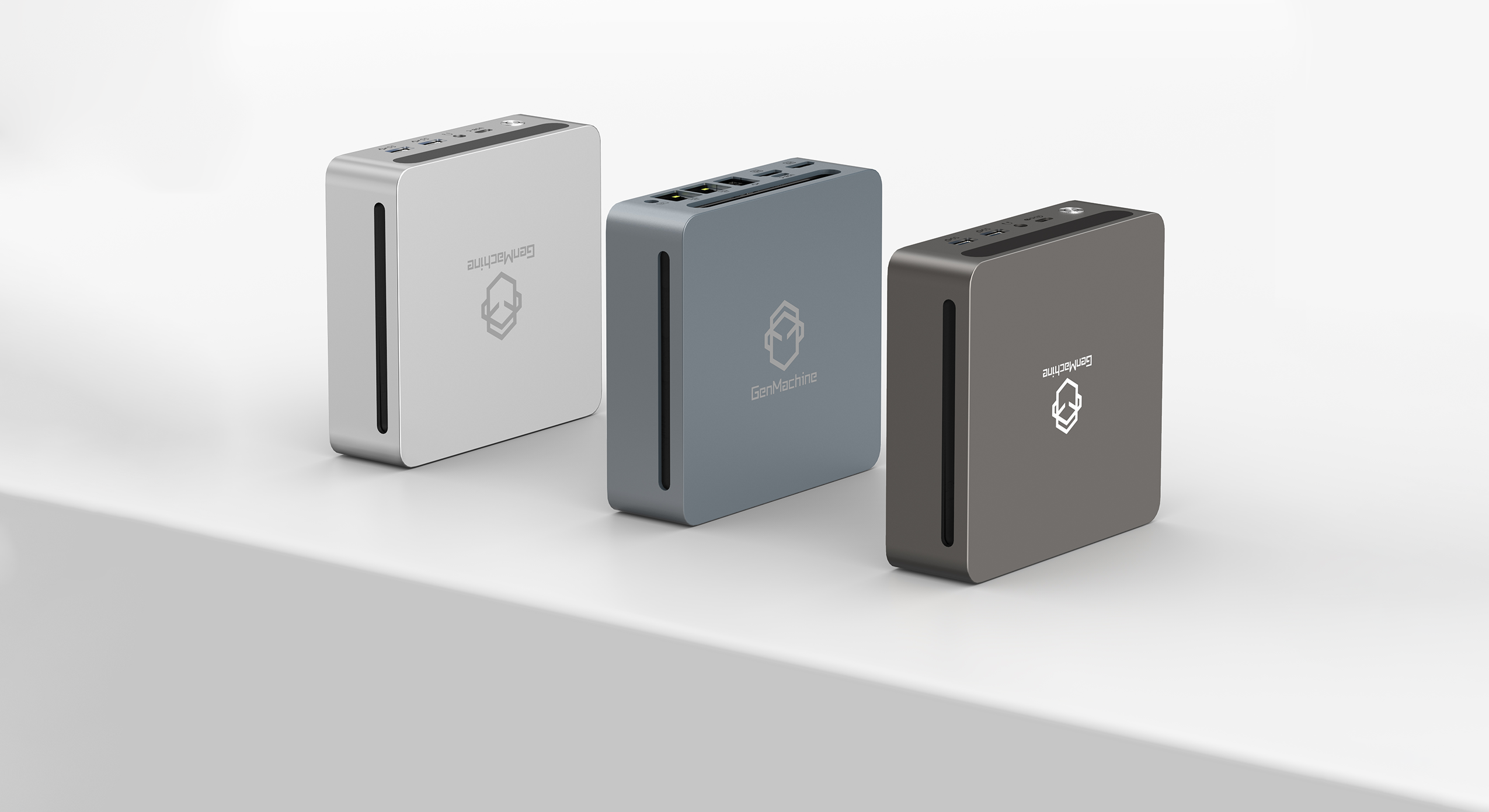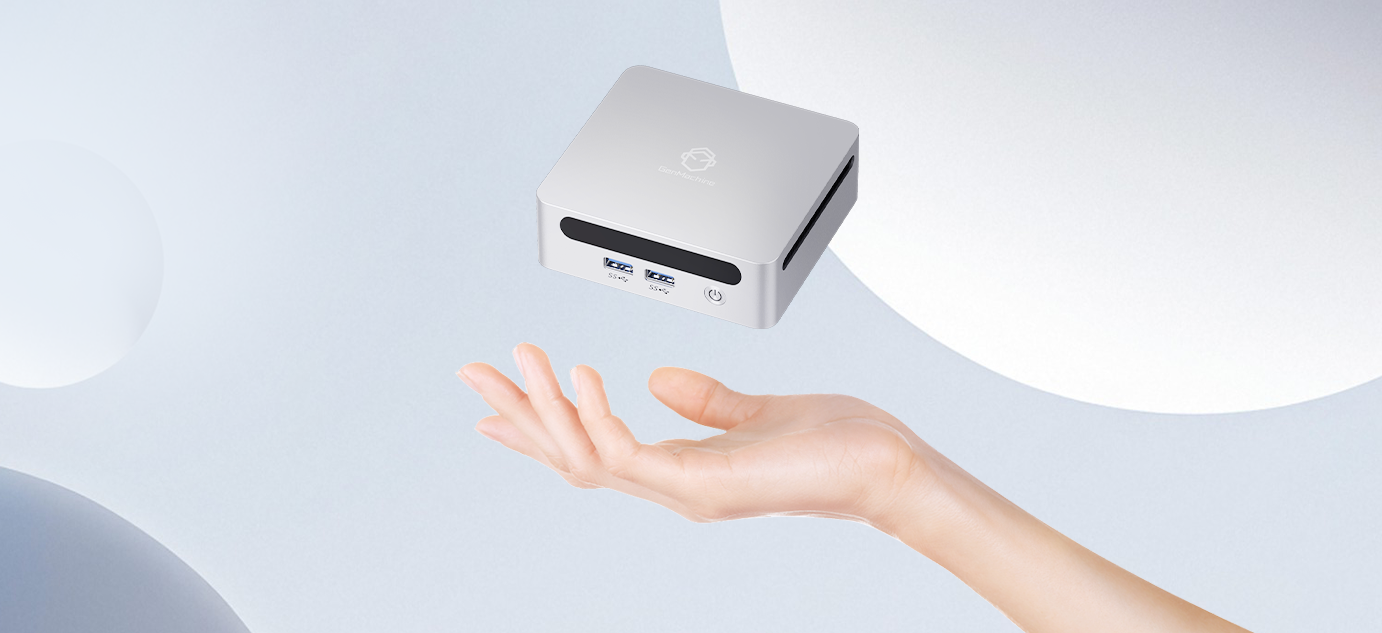
The Ryzen 7000 Series Arrives in Compact Form Factors
AMD’s Ryzen 7000 series represents a significant architectural shift. Built on the Zen 4 architecture and manufactured using T**###**C’s 5nm and 4nm processes, these processors deliver noticeable improvements in both performance and efficiency compared to previous generations.
What makes this generation particularly interesting for mini PC builds is the combination of raw power and manageable thermal characteristics. The jump to Zen 4 brought IPC gains somewhere around 13% over Zen 3, which translates to snappier performance across basically everything. That’s not a **###**all improvement when you’re working within the constraints of a compact system.
The integrated graphics situation has evolved too. While the standard Ryzen 7000 desktop chips use older RDNA 2 graphics, the mobile-derived variants—commonly found in mini PC systems—pack RDNA 3 integrated GPUs. This distinction matters quite a bit, actually.
Understanding the Processor Variants
Phoenix and Hawk Point APUs
Most Ryzen 7000 mini PC systems utilize APUs from the Phoenix or Hawk Point families. These aren’t the same chips you’d find in a desktop tower. They’re designed specifically for **###**all form factors and laptops, with integrated graphics capable of handling more than just basic display output.
The naming can get confusing, honestly. AMD’s product stack isn’t exactly straightforward these days. But here’s the general breakdown:
- 7×40 series (Phoenix): First-gen Zen 4 mobile chips
- 8×40 series (Hawk Point): Refreshed versions with minor improvements
- 7×35 series: Zen 3+ architecture (technically older despite higher numbers)
When shopping for a mini PC, paying attention to these distinctions helps avoid accidentally buying older technology dressed in newer naming conventions.
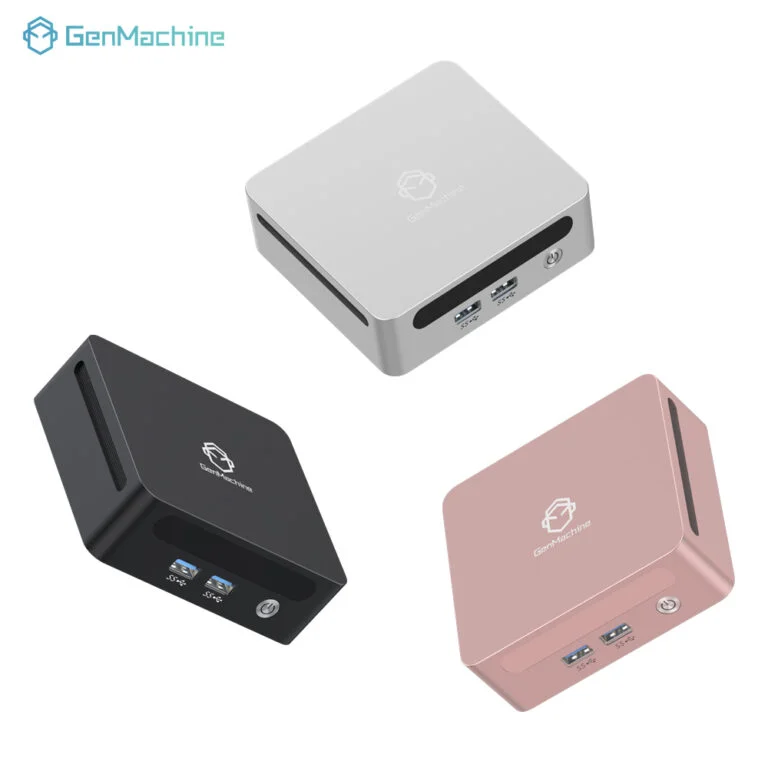
Key Specifications Comparison
| Processor | Cores/Threads | Base/Boost Clock | iGPU | TDP |
|---|---|---|---|---|
| Ryzen 5 7540U | 6/12 | 3.2/4.9 GHz | Radeon 740M (4 CUs) | 15-28W |
| Ryzen 7 7840U | 8/16 | 3.3/5.1 GHz | Radeon 780M (12 CUs) | 15-28W |
| Ryzen 9 7940HS | 8/16 | 4.0/5.2 GHz | Radeon 780M (12 CUs) | 35-54W |
| Ryzen 7 7840HS | 8/16 | 3.8/5.1 GHz | Radeon 780M (12 CUs) | 35-54W |
The Radeon 780M deserves special mention. With 12 RDNA 3 compute units, it’s genuinely capable integrated graphics—probably the best available in any mini PC right now.
Real-World Performance Assessment
Productivity and Daily Tasks
For office work and general computing, a Ryzen 7000 mini PC feels genuinely fast. Applications launch quickly. Multitasking between browser tabs, documents, and communication apps works smoothly. There’s enough processing headroom that slowdowns during typical work sessions are rare.
The responsiveness is something that’s hard to quantify but easy to notice. Compared to older systems or budget alternatives, there’s just less waiting around.
Creative Workloads
Content creators will find mixed results depending on specific needs:
- Photo editing in Lightroom and Photoshop performs admirably
- Video editing at 1080p works well with most NLEs
- 4K timeline playback is manageable but not ideal for complex projects
- 3D rendering remains limited by the lack of discrete graphics
- Audio production and music software run without notable issues
The mini PC form factor does impose certain limitations. But for hobbyist creators or those doing lighter professional work, it’s often sufficient.
Gaming Capabilities
This is where the Ryzen 7000 series, particularly models with the Radeon 780M, genuinely surprises people. The integrated graphics can handle:
- Esports titles at 1080p medium-high settings
- AAA games from recent years at 720p-1080p low
- Indie games and older titles without much compromise
- Emulation up to and including some Switch games
It’s not replacing a gaming PC with a dedicated GPU. Nobody should expect that. But for casual gaming or having something playable without a separate console, the experience has improved dramatically over previous generations.
Thermal Management and Noise Levels
Running powerful processors in **###**all enclosures always presents challenges. The thermal design of any mini PC matters enormously for sustained performance.
Most manufacturers implement one of several cooling approaches:
- Active cooling with **###**all blower fans
- Dual-fan configurations for higher-TDP models
- Vapor chamber solutions in premium units
- Passive cooling (rare, limited to lowest-power variants)
Noise varies considerably between brands and models. Some mini PC units run nearly silent under light loads but become noticeable during demanding tasks. Others maintain consistent fan noise regardless of workload. Reading reviews about specific models before purchasing helps set appropriate expectations.
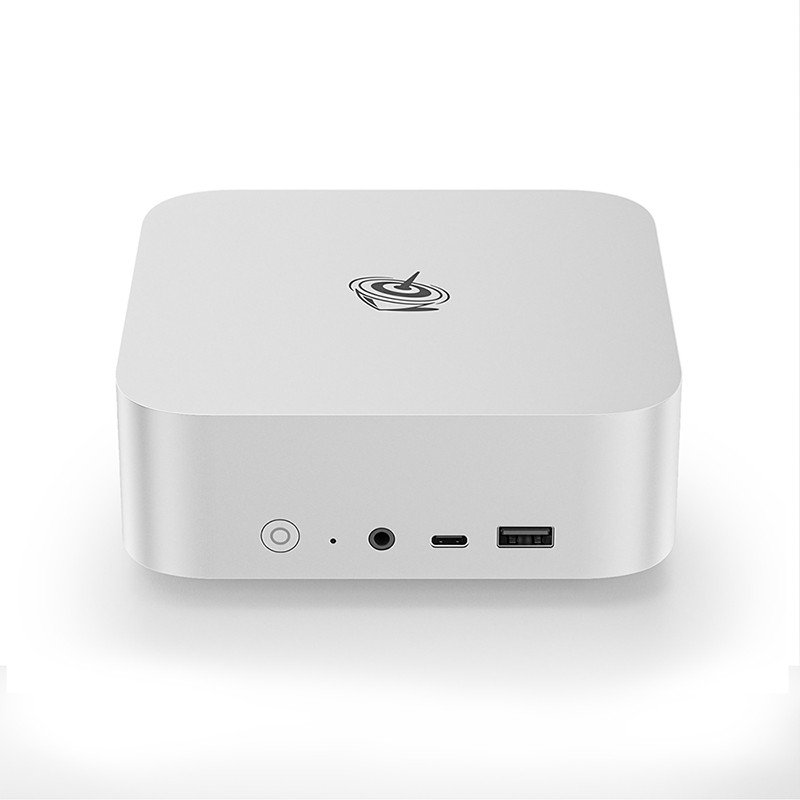
Who Should Consider a Ryzen 7000 Mini PC
The platform suits certain users better than others. Ideal candidates typically include:
- Home office workers needing capable, space-efficient machines
- Developers working on web and software projects
- Casual gamers wanting integrated graphics that actually work
- Media center builders looking for 4K playback support
- Anyone prioritizing desk space and minimal cable clutter
Less suitable scenarios involve heavy 3D rendering, professional video production, or competitive gaming where every frame matters.
Concluding Thoughts
The Ryzen 7000 mini PC represents something genuinely compelling in the compact computing space. It’s not perfect—nothing is—but the combination of Zen 4 efficiency, capable RDNA 3 graphics, and mature platform features creates a well-rounded package.
For the right use cases, these systems deliver more than adequate performance in a footprint that traditional desktops simply cannot match. The key lies in understanding both capabilities and limitations before making a purchase decision. If you want t know more about Ryzen series, please read Ryzen 5000: Performance And Suitbility.
Frequently Asked Questions
How does Ryzen 7000 compare to Intel 13th/14th gen in mini PC systems?
Both platforms offer competitive performance. Intel tends to edge ahead in single-threaded tasks, while AMD’s integrated graphics significantly outperform Intel’s Xe graphics. For users who value iGPU performance—gaming, light content creation—the Ryzen option usually makes more sense.
Can a Ryzen 7000 mini PC handle dual 4K monitors?
Yes, most models support multiple 4K displays at 60Hz without issues. The specific port configuration varies by manufacturer, but HDMI 2.1 and DisplayPort outputs are common. Productivity across dual monitors works smoothly.
Is RAM upgradeable in these systems?
Many Ryzen 7000 mini PC models use SO-DIMM slots allowing RAM upgrades. However, some budget units solder memory directly to the motherboard. Checking specifications before purchasing remains important if future upgradability matters.