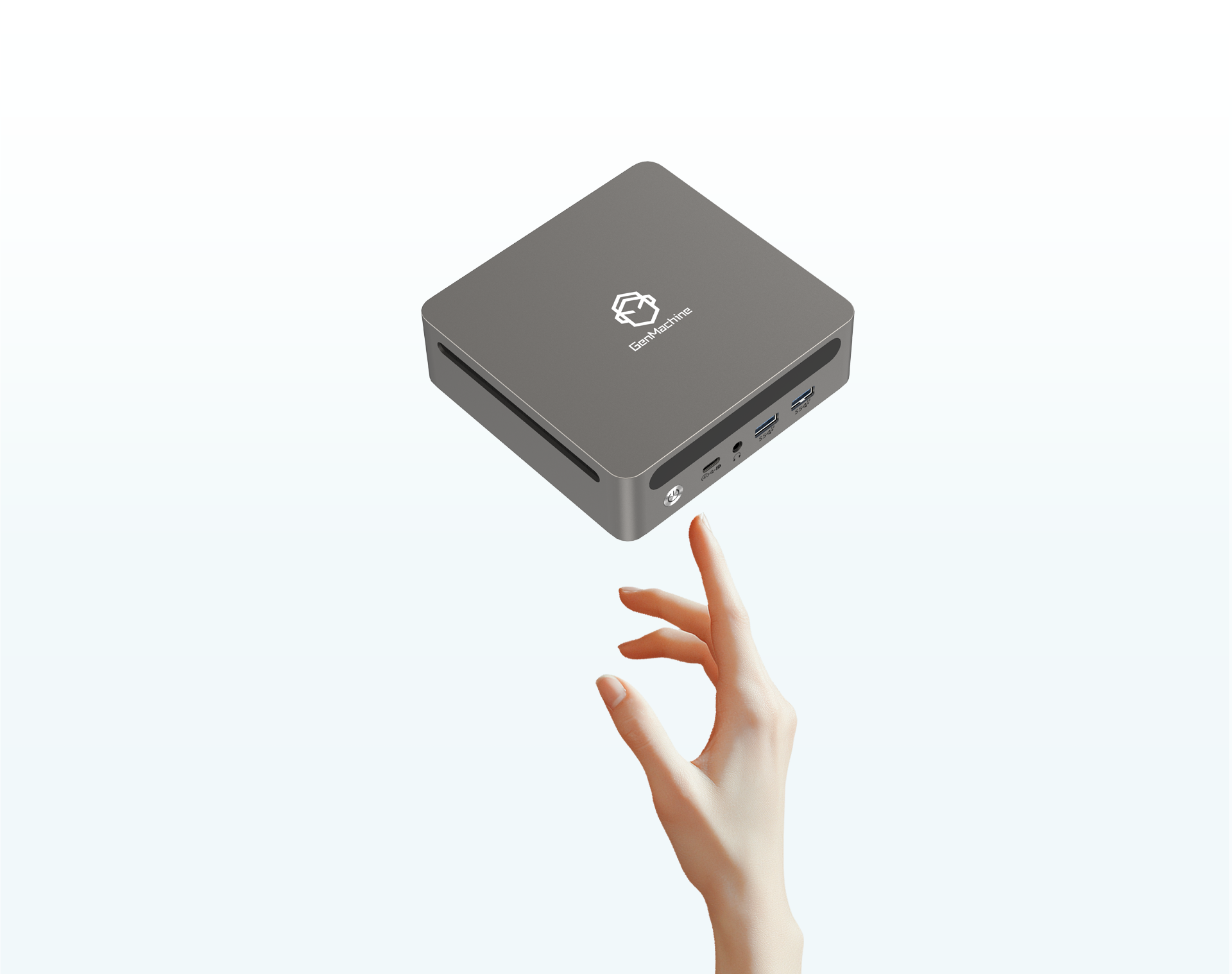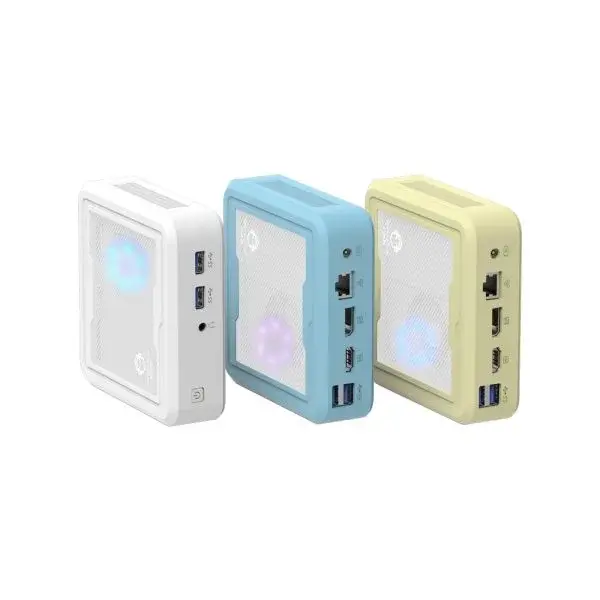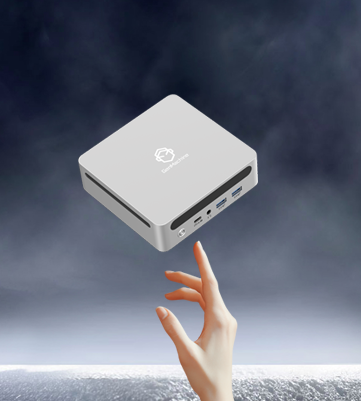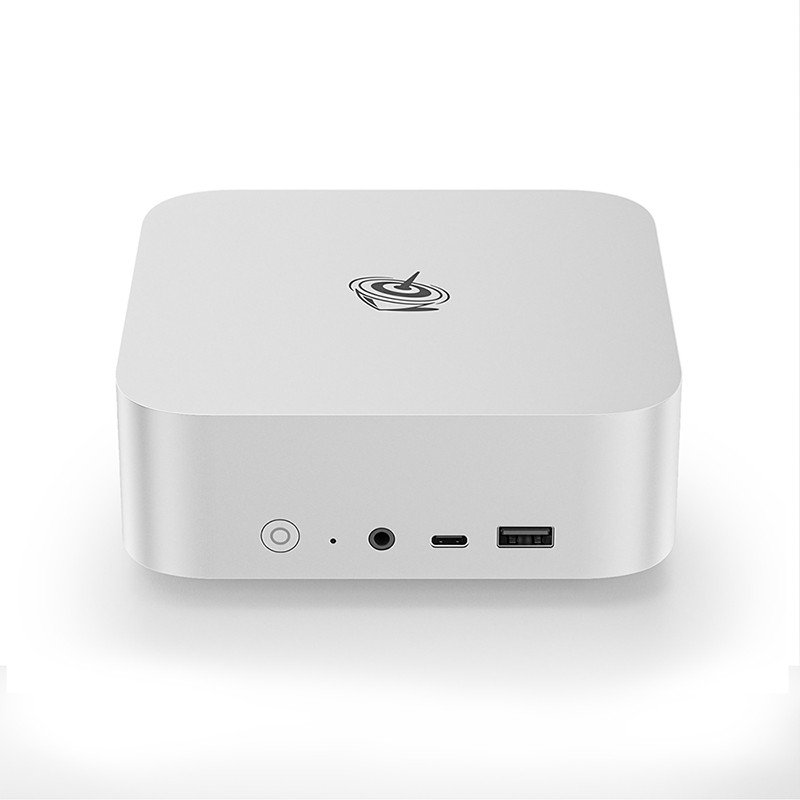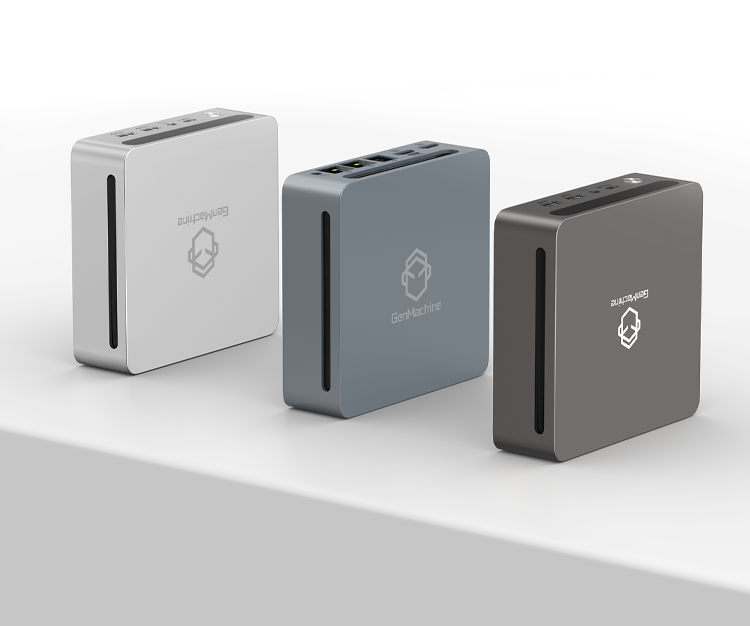
The short answer? Absolutely. Compact gaming PCs have become increasingly popular over the past few years, and honestly, the options available now are pretty impressive. Gone are the days when serious gaming required a massive tower sitting under your desk. Technology has evolved—sometimes faster than anyone really expected.
What Exactly Counts as a Compact Gaming PC?
Defining “compact” can get a bit tricky. Generally speaking, compact gaming PCs refer to systems built in small form factor (SFF) cases, typically measuring under 20 liters in volume. Some go even smaller, around 10 liters or less. These machines pack serious hardware into surprisingly tiny spaces.
The most common form factors include:
- Mini ITX builds (smallest mainstream option)
- Micro ATX systems (slightly larger but still compact)
- Pre-built small form factor desktops
- Console-sized gaming PCs
Why the Shift Toward Smaller Builds?
Several factors have driven interest in compact gaming PCs. Living spaces in urban areas keep shrinking—that’s just reality. Not everyone has room for a full tower. Plus, there’s something appealing about a powerful machine that doesn’t dominate an entire room.
Portability matters too. LAN parties still exist (yes, really), and carrying a 50-pound case gets old fast. Streamers and content creators sometimes need setups they can move between locations without breaking their backs.
Performance: Do Compact Gaming PCs Actually Deliver?
Here’s where things get interesting. A well-designed compact gaming PC can absolutely match full-sized systems in raw performance. Modern components have become more power-efficient, which means less heat—the traditional enemy of small builds.
That said, there are some trade-offs worth mentioning.
Thermal Considerations
Heat management remains the biggest challenge. Smaller cases mean less airflow, period. High-end components crammed into tight spaces will run warmer. This doesn’t necessarily mean worse performance, but it does require more thoughtful cooling solutions.
Common Cooling Approaches in SFF Builds
Large tower-style CPU coolers (when they fit)
2. All-in-one liquid coolers with small radiators
3. Optimized case fan configurations
4. Undervolting components for reduced heat output
Many enthusiasts find that proper cooling setup makes all the difference. A compact gaming PC with good thermals can sustain boost clocks just as well as bigger systems.
Component Limitations
Some compromises exist with compact gaming PCs. Graphics card length restrictions can eliminate certain models from consideration. Power supply options may be limited to SFX or SFX-L formats. Expandability? Pretty minimal in most cases—usually one GPU slot and maybe two storage drives.

Popular Compact Gaming PC Options
Whether building custom or buying pre-built, the market offers plenty of choices. Here’s a comparison of some notable options:
| Brand/Model | Volume (Liters) | Type | GPU Support | Price Range |
|---|---|---|---|---|
| NZXT H1 V2 | 14.6L | Case (DIY) | Up to 324mm | $400+ (case only) |
| Intel NUC Extreme | ~8L | Barebones | Up to full-size | $1,200+ |
| Corsair One | ~12L | Pre-built | RTX 40 series | $2,500+ |
| ASUS ROG NUC | ~2.5L | Pre-built | Integrated/laptop GPU | $1,800+ |
| Dan A4-H2O | 9.6L | Case (DIY) | Up to 322mm | $150+ (case only) |
Pre-built compact gaming PCs from companies like Corsair and ASUS tend to cost more than DIY equivalents. The engineering required to make everything work in tight spaces—and keep it cool—adds to the price tag.
Building vs. Buying: Which Makes More Sense?
Custom building a compact gaming PC offers more flexibility but demands patience. Cable management in SFF cases can be… frustrating. Components need careful selection to ensure compatibility. Not every cooler fits. Not every GPU fits. Research becomes essential.
Pre-built systems eliminate these headaches. They arrive ready to go, warranties intact. The premium price reflects convenience and professional integration.
Who Should Consider Each Approach?
Custom building works best for:
- Experienced Mini PC builders comfortable with tight spaces
- Those wanting specific component combinations
- Budget-conscious buyers (sometimes)
- People who enjoy the building process itself
Pre-built systems suit:
- First-time compact gaming PC buyers
- Anyone valuing convenience over customization
- Those needing reliable warranty support
- Buyers without time for research and assembly

Final Thoughts
Compact gaming PCs have matured significantly. They’re no longer a niche curiosity but a legitimate option for serious gamers. The technology works. The performance delivers. Yes, some compromises exist—thermal limitations, reduced expandability, occasionally higher costs—but these trade-offs feel acceptable for many users.
For anyone questioning whether compact gaming PCs can handle modern titles at high settings, the answer is a definitive yes. The real question becomes whether the specific benefits—space savings, portability, aesthetics—justify choosing small over traditional full-size towers. For a growing number of gamers, apparently they do.If you want to know more about compact gaming PCs, please read: What is the best Ryzen mini PC for gaming?