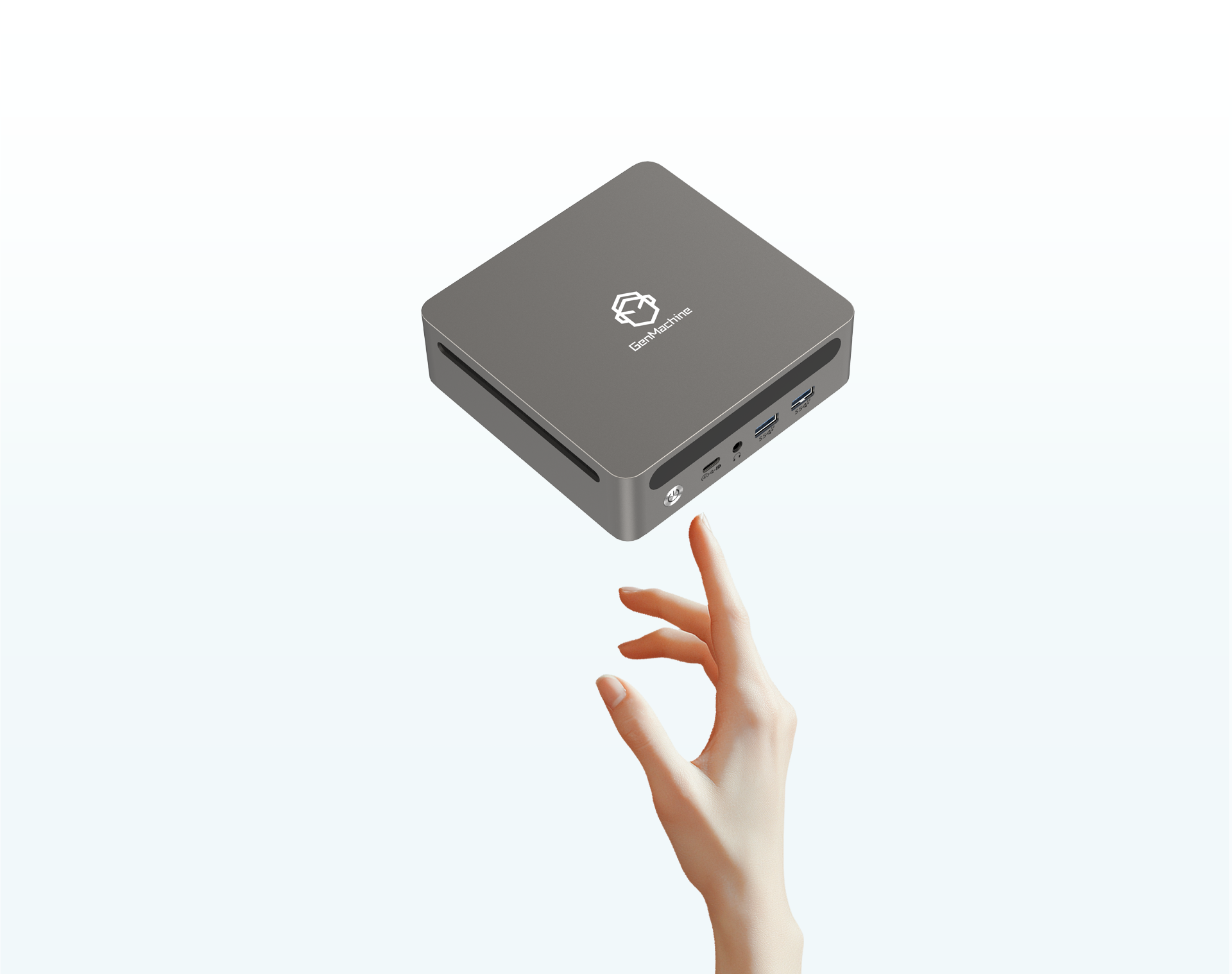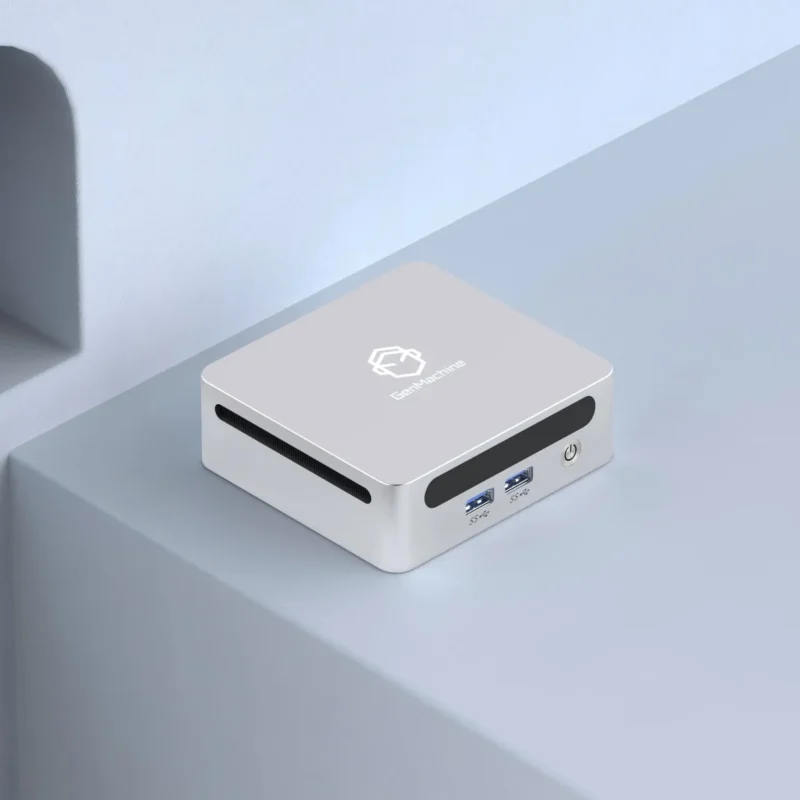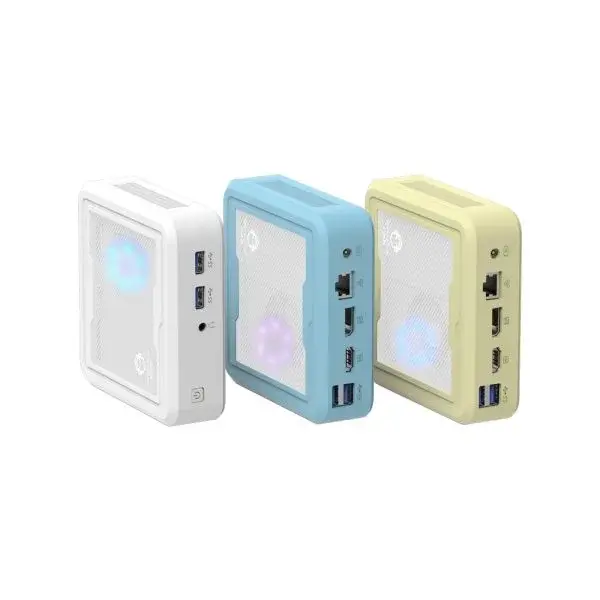
The market for ultra-compact computers has exploded in popularity at a remarkable pace in recent years. Walk down the aisles of any major international electronics trade show, from consumer tech expos to enterprise computing exhibitions, and you’ll find countless booths dedicated to showcasing sleek, space-saving tiny desktop rigs in various shapes and sizes. But beneath this booming surface lies a somewhat harsh and often overlooked reality of the global hardware sourcing industry: not every company that boldly claims to be a premium mini PC manufacturer actually designs, assembles, or builds anything in-house. For anyone tasked with sourcing and procuring hardware for large-scale enterprise deployment, commercial digital signage solutions, industrial embedded systems, or even consumer retail resale, the stakes are surprisingly and uncomfortably high. Many seemingly professional suppliers are little more than middlemen, simply passing unmodified generic boxes from a real original factory to the end buyer, while adding a hefty, unjustified markup along the way that eats into profit margins and inflates overall project costs. Distinguishing which vendors genuinely own production lines, solder circuit boards, conduct quality control, and provide technical support, versus those that only print custom logos on white-label products, is truly half the battle in making reliable, cost-effective sourcing decisions.
Why Finding a Good Mini PC Manufacturer Matters
In a full-size, spacious PC case, there’s abundant room for generous airflow, effective heat dissipation, and clean, organized cable management. Components can breathe freely, and temperatures stay manageable even under sustained load. But when high-performance, power-hungry processors are crammed into a compact chassis no bigger than a thick sandwich or a small hardcover book, heat builds up rapidly and intensely. Things get hot incredibly fast, with little space for natural ventilation to kick in. This is precisely why the precision engineering behind every compact system is so incredibly critical to real-world performance. A truly capable and professional mini PC manufacturer invests just as much time, research, and resources into designing a refined internal cooling solution as they do selecting the right processor, memory modules, and other core components. They carefully engineer heat pipes, heatsinks, fan layouts, and airflow paths to ensure stable performance even during prolonged, heavy use. When examining the cheaper, low-quality options flooding the market, it quickly becomes rather obvious that many shortcut-focused brands do little more than slap a standard motherboard into a generic, unoptimized metal or plastic shell and call the product finished. This lazy, cost-cutting approach almost always leads to severe thermal throttling within just a few minutes of turning the machine on under load. As performance drops sharply to control temperatures, it effectively defeats the entire purpose of investing in a fast, powerful compact computer in the first place.
Key Traits of a Reliable Mini PC Manufacturer
So, what actually makes a brand worth trusting? It usually comes down to a few specific things that show they actually care about the product’s lifespan (and not just making a quick sale on the internet).
Thermal Design and Component Quality
Heat is the absolute enemy of compact small form-factor computers, as limited internal space leaves almost no room for natural airflow or heat dissipation. A respectable, customer-focused mini PC manufacturer will usually go out of their way to highlight their carefully engineered cooling system in product specifications and marketing materials. They might use high-performance liquid metal thermal compound for improved heat transfer, oversized copper heat pipes to rapidly draw heat away from critical components, or custom fan curves calibrated to keep noise in check—so the device doesn’t sound like a tiny jet engine taking off the second you open up a web browser or launch a lightweight application.
Software and BIOS Support
Hardware is just half the battle when it comes to building a reliable mini PC ecosystem. If a company abandons their product the minute it ships out the door, that is a massive problem for both consumers and long-term brand trust. Regular BIOS updates to boost stability, critical security patches to protect against emerging threats, and easily accessible driver downloads for seamless system maintenance really separate a legitimate mini PC manufacturer from the fly-by-night operations that seem to disappear after a few months, leaving users with unsupported devices and unaddressed vulnerabilities.
Red Flags When Evaluating a Mini PC Manufacturer
Sometimes it is easier to just know what to avoid. There are definitely a few warning signs to watch out for when browsing through endless product listings online:
Zero mention of warranty terms or return policies anywhere on their official website.
Using outdated, multi-generation old processors but marketing them with confusing, flashy naming conventions to trick buyers.
No dedicated driver support page (this is perhaps the biggest warning sign of all).
Customer reviews that only talk about the shipping speed rather than how the computer actually performs under a heavy workload.
Comparing Different Mini PC Manufacturer Types
The modern mini PC market is broadly segmented into several distinct categories, each with its own positioning, target audience, and value proposition. Taking the time to understand where a specific brand or product line falls within this structure can help buyers set realistic expectations not only for the final price tag but also for the quality of customer support, warranty terms, and after-sales service they are likely to receive. Brands positioned at different tiers often operate with vastly different cost structures and service commitments, so recognizing these divisions prevents misunderstandings about product quality and long-term ownership experience.
| Manufacturer Category |
Typical Price Range |
Support Level |
Best Suited For |
|---|---|---|---|
Global Tech Giants |
Premium / High |
Usually excellent |
Corporate environments, risk-averse buyers |
Dedicated SFF Brands |
Mid to High |
Good to great |
Enthusiasts, home labs, specific workstation uses |
Generic White-Label |
Very Low |
Minimal to none |
Basic web browsing, extremely tight budgetsG |
Looking at the current global hardware landscape, a dedicated, specialized mini PC manufacturer typically delivers the best overall balance of performance, reliability, and long-term value in the small-form-factor sector. Unlike generalist tech brands that spread their efforts thin, these companies focus entirely on designing, engineering, and refining compact computing systems, meaning their entire research and development budget is concentrated on solving the unique challenges of miniaturized computing. This singular focus allows them to invest deeply in thermal management, space-efficient layout design, power optimization, and structural durability — all critical pain points in small form-factor devices — rather than splitting their engineering attention, resources, and talent across a wide range of product lines such as full-sized laptops, desktop monitors, networking equipment, peripherals, and other consumer electronics. By avoiding product diversification and staying committed to one core category, they can iterate faster, refine designs more precisely, and deliver more polished, better-tested solutions that truly address the real-world demands of compact, high-performance computing.
Essential Steps Before Choosing a Mini PC Manufacturer
- Verify the exact processor generation by looking up the specific chip model number. Don’t rely solely on marketing slogans or vague descriptions — some brands intentionally hide older, slower processors behind ambiguous language to make them seem more modern and powerful than they really are.
- Take time to check community forums, tech review sites, and popular subreddits. Real user experiences and long-term testing almost always reveal the unfiltered truth about a mini PC manufacturer’s build quality, thermal performance, and how slow, difficult, or even painful their warranty and return process can be.
- Examine the port selection very carefully. Having to rely on constant dongles, adapters, and splitters is inconvenient and messy, so native support for multiple external monitors, high-speed networking, and common peripherals is absolutely crucial for long-term usability.
- Confirm whether the internal RAM and storage are user-upgradeable or permanently soldered down to the motherboard. Being able to expand memory and storage later can greatly extend the device’s lifespan and improve its performance over time.
FAQ
What should be prioritized when picking a brand?
Focus heavily on build quality reputation, consistent customer support responsiveness, and thoughtful, long-lasting thermal design. A reliable mini PC manufacturer doesn’t just sell hardware — they stand fully behind their products with reasonable, clearly stated warranty terms and actually honors claims promptly when hardware inevitably fails over time. They invest in durable internal components and solid chassis construction to avoid flimsy, short-lived devices, while maintaining accessible support channels that respond quickly to user questions, troubleshooting, and repair requests. Unlike brands that cut corners to hit low prices, trusted makers prioritize sustained performance through refined thermal layouts that reduce long-term wear, ensuring the system remains stable and quiet for years, not just months.
Does the overall size of the mini PC manufacturer affect the product quality?
Not always the case. While massive, well-established tech companies obviously have far greater financial and engineering resources at their disposal, a specialized mid-sized mini PC manufacturer often produces far superior and more refined thermal designs, because compact, small form factor computing is their entire core business model and primary focus. The huge global brands sometimes treat mini PCs as little more than a secondary afterthought, a side product to fill out their lineup rather than a flagship category worth investing deep research and custom engineering into. As a result, their cooling solutions often feel generic and underdeveloped compared to the dedicated, highly optimized thermal systems built by specialists who live and breathe mini PC design every single day.
How long should a warranty last from a trustworthy brand?
A standard warranty should really be at least one full year as a bare minimum, but a truly confident mini PC manufacturer that stands behind its engineering and component quality will often step up and offer two to three years of comprehensive coverage. They understand that reliable hardware deserves long-term protection, and they’re willing to back that promise with real support. Anything less than a full year of warranty coverage is highly suspicious and should be a major red flag for buyers. In most cases, it almost certainly means the internal components are absolute bottom-tier quality, assembled with cheap, low-grade parts that the brand doesn’t expect to last even a short period of time without failing.