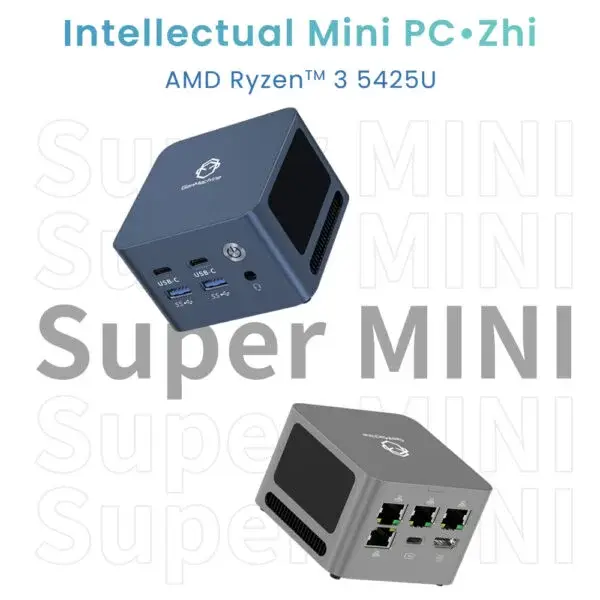
What Makes Ryzen 6000 Series Stand Out in Mini PC Builds
The Ryzen 6000 series brought something genuinely interesting to the mini PC market when it launched. Built on the Zen 3+ architecture with TSMC’s 6nm process, these APUs were designed primarily for laptops—but they found a comfortable home in compact desktop systems too.
What really catches attention here is the integrated RDNA 2 graphics. Unlike previous generations where integrated GPUs felt like an afterthought, the Ryzen 6000 series actually delivers usable graphics performance. For a mini computer, that matters quite a bit. Nobody wants to deal with a discrete GPU in something meant to sit quietly on a desk or behind a monitor.
The efficiency improvements are worth mentioning as well. These chips run cooler and draw less power than their predecessors, which translates directly to quieter operation in small form factor builds. And honestly, noise levels can make or break the mini PC experience.
Performance Breakdown Across Common Tasks
Everyday Computing and Office Work
For basic productivity—web browsing, document editing, video calls—a Ryzen 6000 mini PC handles everything without breaking a sweat. The six or eight cores (depending on the specific model) provide plenty of headroom for multitasking.
Most users will find that applications open quickly, browser tabs don’t cause slowdowns, and general responsiveness feels snappy. It’s perhaps not the most exciting thing to talk about, but reliability in daily tasks is exactly what most people need.
Content Creation Capabilities
Here’s where things get a bit more nuanced. Light photo editing in Lightroom or Photoshop works reasonably well. Video editing is possible too, though export times will obviously lag behind systems with dedicated graphics cards.
The sweet spot seems to be:
- 1080p video editing with basic effects
- Photo batch processing
- Graphic design work that isn’t heavily GPU-accelerated
- Audio production and podcast editing
Anything beyond that—say, 4K timeline scrubbing or complex After Effects compositions—starts to feel sluggish.
Gaming Performance (The Realistic Picture)
Let’s be clear about expectations. A Ryzen 6000 mini PC isn’t a gaming rig. But it can handle games, which is more than could be said for integrated graphics just a few years ago.
Esports titles like Valorant, League of Legends, and CS2 run at playable framerates with settings turned down. Older AAA games from 2018-2020 are generally manageable at 720p or 1080p low. Modern demanding titles? Those will struggle, unfortunately.
Ryzen 6000 Mini PC Specifications Comparison
| Model | Cores/Threads | Base/Boost Clock | iGPU | TDP Range |
|---|---|---|---|---|
| Ryzen 5 6600U | 6/12 | 2.9/4.5 GHz | Radeon 660M (6 CUs) | 15-28W |
| Ryzen 7 6800U | 8/16 | 2.7/4.7 GHz | Radeon 680M (12 CUs) | 15-28W |
| Ryzen 5 6600H | 6/12 | 3.3/4.5 GHz | Radeon 660M (6 CUs) | 35-54W |
| Ryzen 7 6800H | 8/16 | 3.2/4.7 GHz | Radeon 680M (12 CUs) | 35-54W |
The “U” variants prioritize efficiency while “H” models push performance higher at the cost of increased power consumption and heat output. Most mini PC manufacturers opt for the U-series chips to keep thermals manageable in compact enclosures.
Who Should Consider This Platform
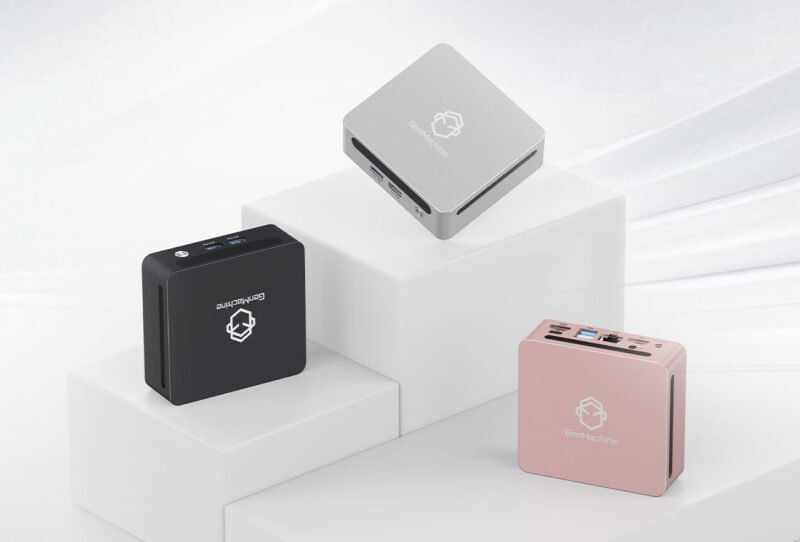
The Ryzen 6000 mini PC makes sense for specific use cases. It’s not a universal solution—nothing ever is, really—but it fits certain needs remarkably well.
Good candidates include:
- Home office workers needing a quiet, compact workstation
- Students looking for an affordable desktop replacement
- Media center enthusiasts building an HTPC setup
- Anyone wanting a secondary computer for light tasks
- Small business deployments where space and noise matter
Probably not ideal for:
- Professional video editors or 3D artists
- Serious gamers (even casual-serious ones)
- Users running multiple virtual machines
- Heavy computational workloads
Thermal and Noise Considerations
Small cases mean limited airflow, and that’s always a concern. The good news is that most compact Ryzen mini PC systems handle thermals adequately under normal loads. During sustained heavy use, however, some units do get noticeably warm and fans can ramp up.
Build quality varies significantly between manufacturers. Some mini PC brands implement better cooling solutions than others, so reading user reviews about specific models before purchasing is genuinely worthwhile advice.
Final Thoughts on Suitability
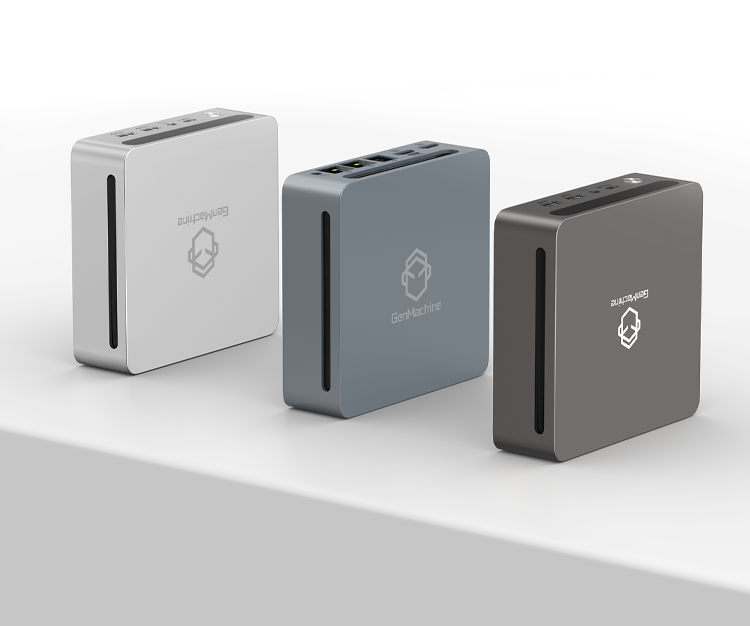
The Ryzen 6000 mini PC represents a solid middle ground in compact computing. It won’t satisfy everyone—no single product can—but it delivers genuine value for users who prioritize small footprints, reasonable performance, and quiet operation.
For the right person with matching expectations, these systems offer a compelling package. Just go in understanding what they can and cannot do, and disappointment becomes unlikely.
Frequently Asked Questions
Can a Ryzen 6000 mini PC replace a traditional desktop?
For most home and office users, yes. It handles typical computing tasks without issues. Power users or those with specialized requirements might find limitations, but the average person probably won’t notice any meaningful compromises in daily use.
How does the Ryzen 6000 compare to Intel 12th gen in mini PC form factors?
Both platforms compete closely. Intel’s 12th gen offers slightly better single-thread performance in some scenarios, while Ryzen 6000 generally provides superior integrated graphics. The practical differences for everyday users are honestly pretty minimal.
Is upgrading RAM and storage possible on these systems?
Most Ryzen 6000 mini PC units allow RAM and SSD upgrades, though some budget models solder components to the motherboard. Checking specifications before buying is essential if upgradability matters to you.