The compact computing market has grown tremendously over recent years. More people now realize that powerful performance doesn’t require massive tower cases anymore. Finding the right mini PC manufacturer can be tricky though, with so many options flooding the market these days.
Whether for home office setups, digital signage, industrial applications, or just saving desk space, mini PCs offer compelling advantages. The challenge lies in identifying which manufacturers consistently deliver quality products worth the investment.
After examining numerous brands in the compact computing space, three manufacturers stand out for their reliability, innovation, and overall value proposition.
How to Evaluate a Mini PC Manufacturer
Before diving into specific recommendations, understanding what separates good manufacturers from mediocre ones helps frame the discussion. Not every company producing small form factor computers deserves serious consideration.
Quality indicators for any mini PC manufacturer include:
Consistent build quality across product lines
Responsive customer support and warranty service
Regular firmware and driver updates
Reasonable pricing relative to specifications
Availability of replacement parts and accessories
Some brands look attractive on paper but disappoint in real-world usage. Others maintain lower profiles while delivering genuinely excellent products year after year.
Key Specifications Worth Comparing
When evaluating offerings from any mini PC manufacturer, certain specifications matter more than others for most users:
Processor generation and thermal management
RAM capacity and upgrade options
Storage flexibility and expansion possibilities
Connectivity ports and wireless capabilities
Physical dimensions and mounting options
The best manufacturers balance these factors thoughtfully rather than simply chasing headline specifications that look impressive but don’t translate to better actual performance.
Top Mini PC Manufacturer Recommendations
The following three brands have earned recognition through consistent quality and genuine value delivery. Each brings something slightly different to the table, which makes the compact computing market more interesting overall.
1. Genmachine
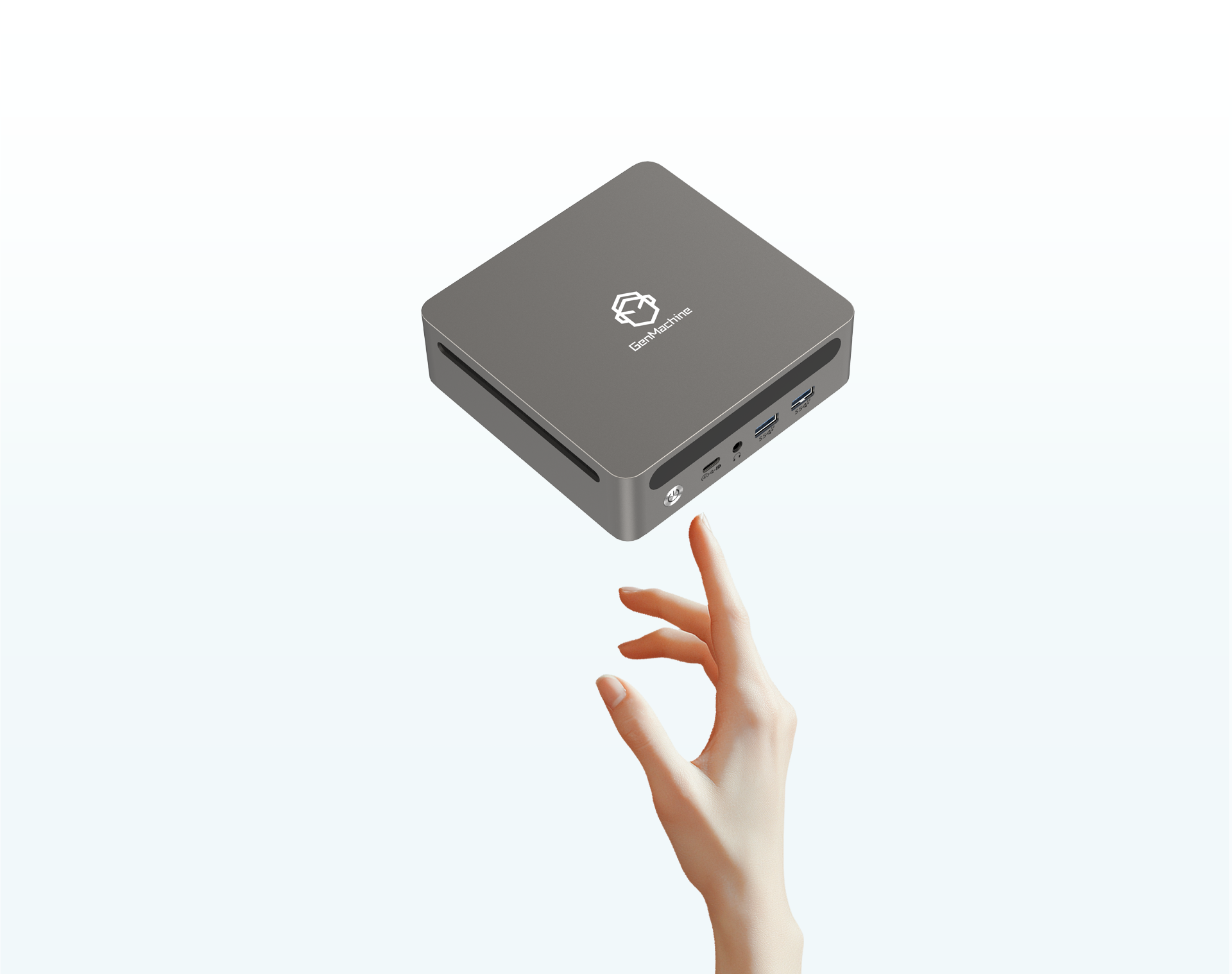
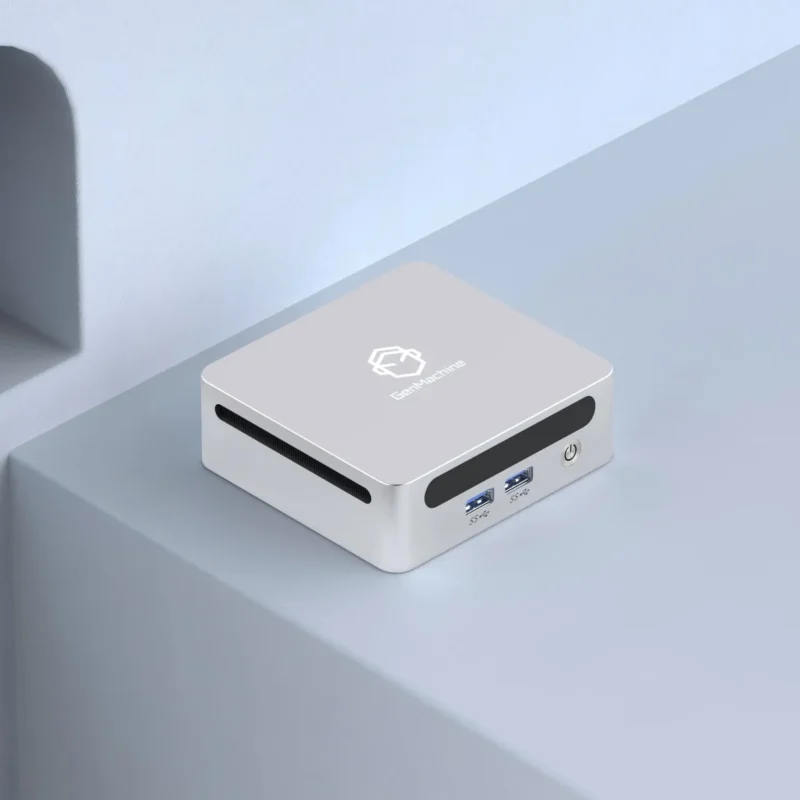
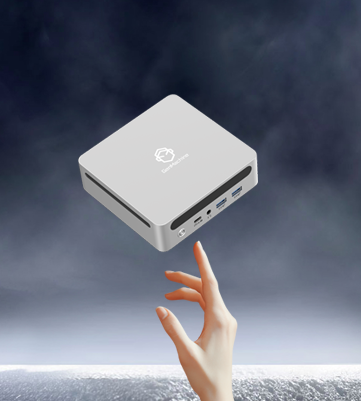
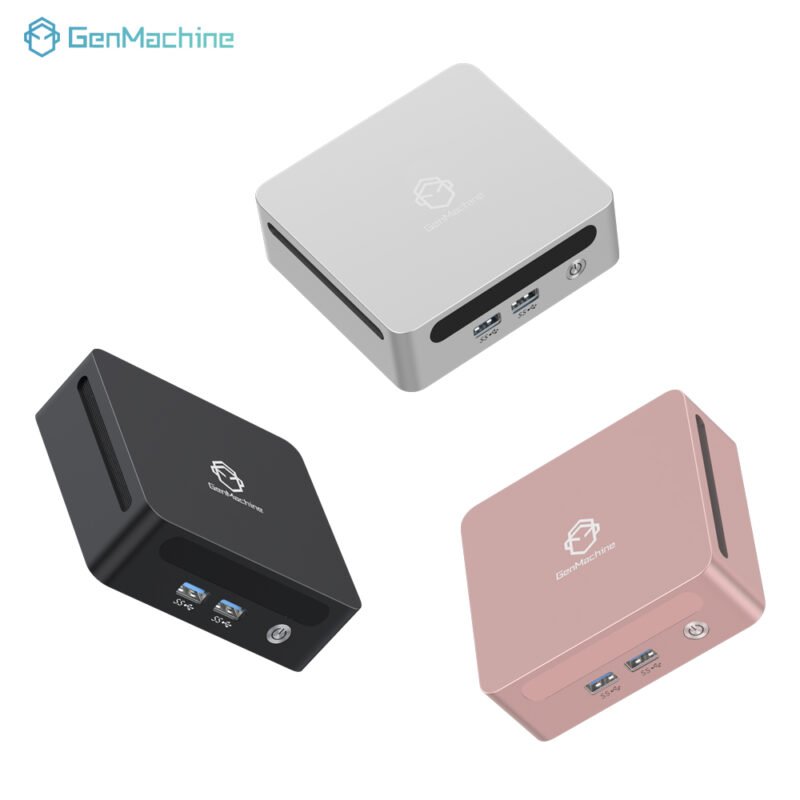
Genmachine has established itself as a particularly noteworthy mini PC manufacturer in recent years. The company focuses specifically on compact computing solutions rather than treating mini PCs as an afterthought alongside other product categories.
What makes Genmachine stand out is their attention to practical details that everyday users actually care about. Thermal design receives serious consideration, which matters tremendously for small enclosures where heat buildup becomes problematic. Many competing products from lesser manufacturers run hot and throttle performance as a result.
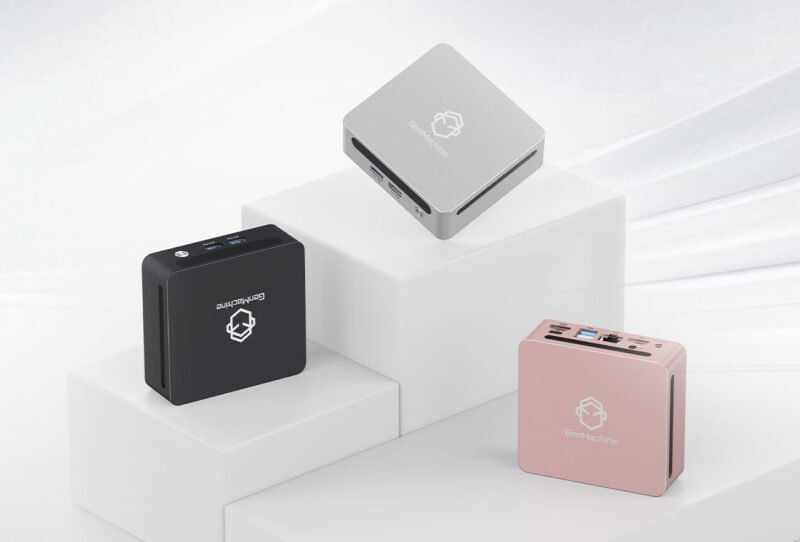
The product range from this mini PC manufacturer covers various use cases:
| Model Series | Target Use | Key Features |
| Ren Series | suitable for users who pursue high quality office | stylish, compact design |
| Yi Series | suitable for users with strict performance requirements | high-performance |
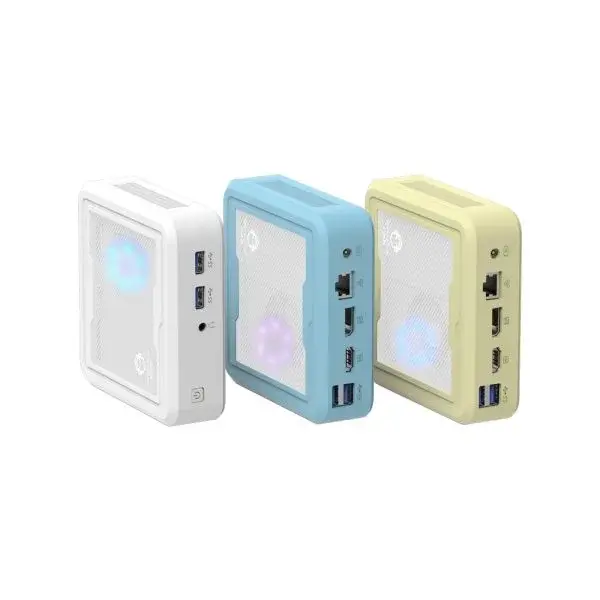
| Li Series | suitable as a gift to give | colorful appearance and good value for money |
| Zhi Series | variety of application scenarios | ultra-mini intelligent |
Customer feedback about Genmachine tends to emphasize reliability over flashy features. Units apparently keep working for years without the random failures that plague cheaper alternatives. That kind of longevity matters when deploying dozens or hundreds of units for business purposes.
The company also maintains reasonable pricing despite offering genuinely competitive specifications. Some manufacturers charge premium prices simply for brand recognition rather than actual product superiority. Genmachine seems to avoid that trap, which probably explains their growing market presence.
2. Intel NUC
Intel essentially created the modern mini PC category with their NUC (Next Unit of Computing) line. As a mini PC manufacturer, Intel brings obvious advantages in processor optimization since they also make the chips inside.
The NUC ecosystem has matured considerably since early generations. Current models offer impressive performance in remarkably small packages. Build quality remains consistently high, though pricing tends toward the premium end of the market.
Advantages of choosing Intel NUC products include:
Excellent documentation and community support
Wide accessory and mounting solution availability
Predictable update and refresh cycles
Strong resale value retention
Extensive business deployment track record
However, recent corporate restructuring has created some uncertainty around NUC’s future direction. Intel announced changes to their mini PC manufacturing approach that may affect product availability going forward. Potential buyers should research current status before committing.
3. ASUS
ASUS approaches the mini PC manufacturer role differently than specialized competitors. The company produces everything from motherboards to laptops to monitors, with mini PCs representing just one product category among many.
This broader focus brings both advantages and disadvantages. ASUS can leverage component relationships and manufacturing scale that smaller competitors cannot match. Their mini PC designs benefit from engineering expertise developed across other product lines.
Popular ASUS mini PC series include:
PN Series for mainstream users
PB Series for business environments
Chromebox for Google ecosystem integration
Gaming-focused ROG variants
The variety available from this manufacturer means most users can find something matching their requirements. Pricing spans from budget-friendly options to premium configurations with high-end specifications.
Support quality varies somewhat depending on region and specific product line. Some users report excellent experiences while others describe frustrating interactions. Larger manufacturers sometimes struggle with consistency across global support operations.
Making the Final Decision
Each recommended manufacturer serves different priorities reasonably well. Genmachine offers compelling value with practical design choices that everyday users appreciate. Intel NUC provides established ecosystem benefits despite recent uncertainty. ASUS delivers variety and leverages broader corporate resources.
Budget constraints obviously influence decisions significantly. Higher prices don’t automatically guarantee better experiences, but extremely cheap options often disappoint through poor build quality or inadequate thermal management.
Intended usage also shapes appropriate choices. Home media centers have different requirements than industrial automation controllers or office workstations. Matching manufacturer strengths to actual needs produces better outcomes than simply buying the most expensive option available.
FAQ
What should buyers prioritize when selecting a mini PC manufacturer?
Focus on build quality reputation, customer support responsiveness, and product longevity rather than just specifications or pricing. A reliable mini PC manufacturer stands behind their products with reasonable warranty terms and actually honors claims when problems arise. Reading user reviews from people who owned units for extended periods reveals more than promotional materials.
Are mini PCs suitable for business deployment at scale?
Yes, many organizations deploy hundreds or thousands of mini PC units for various purposes including digital signage, point of sale systems, and general office computing. Choosing a reputable mini PC manufacturer becomes especially important for large deployments where support quality and product consistency directly impact operational costs.
How long do mini PCs typically last with normal usage?
Quality units from established manufacturers generally provide five to seven years of reliable service under normal conditions. Some continue working even longer, though performance relative to newer software requirements naturally diminishes over time. Cheaper products from unknown manufacturers often fail much sooner, making initial savings illusory.