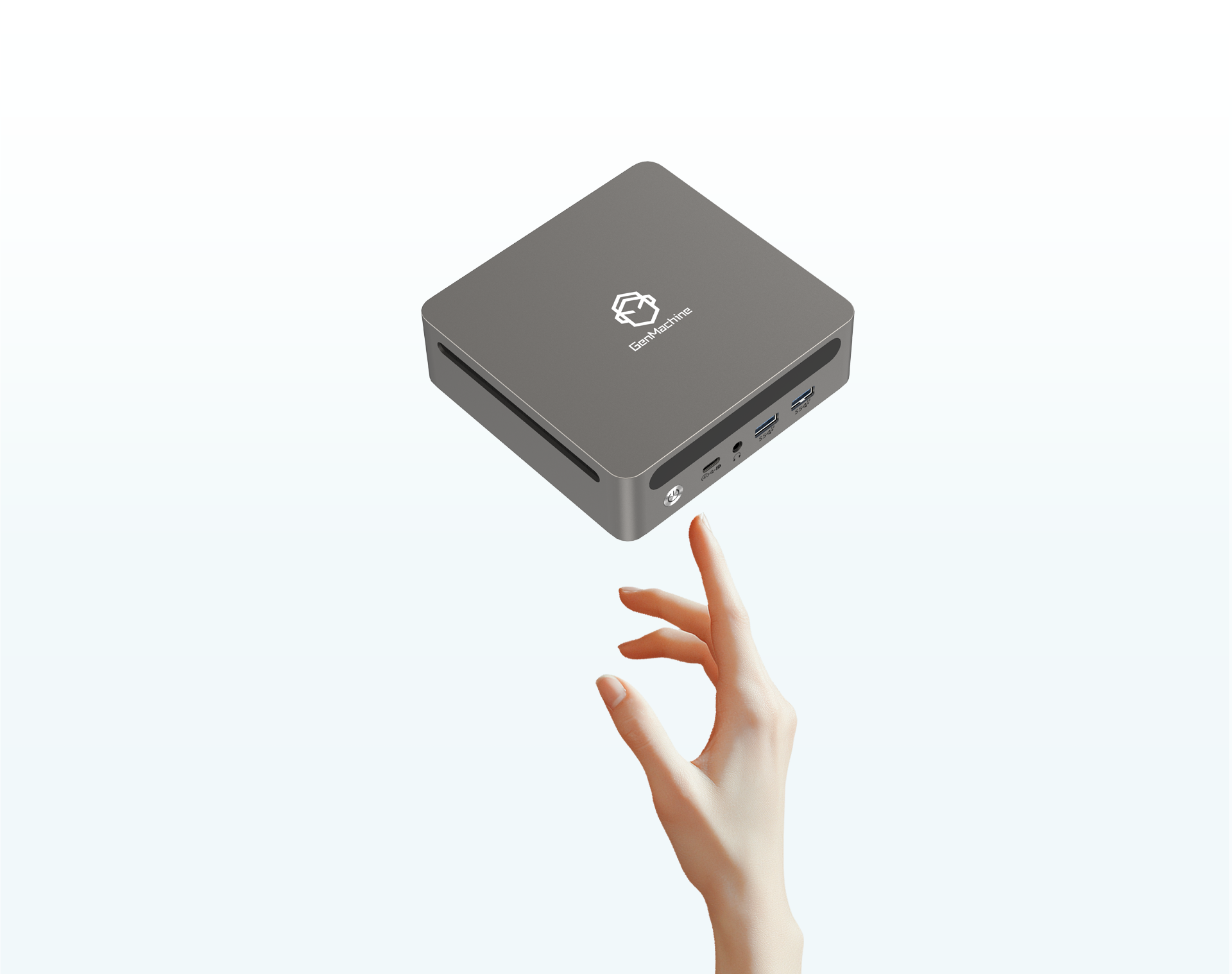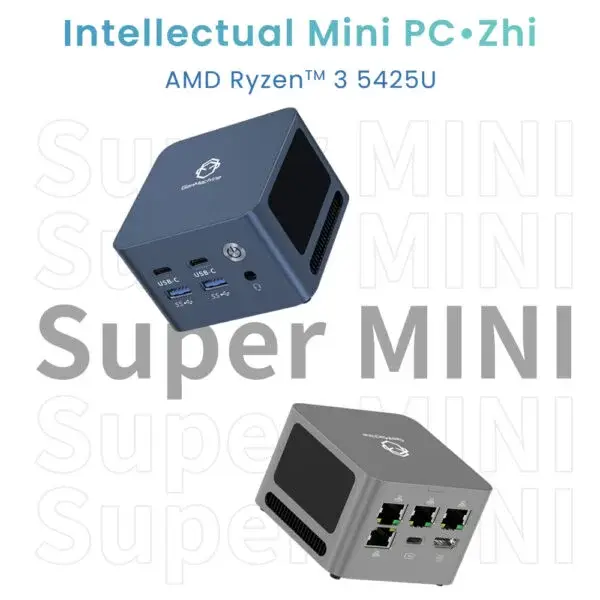
Browse any online marketplace these days and something becomes immediately apparent. Chinese mini PCs cost significantly less than their Western counterparts. Sometimes dramatically so. A compact machine with an AMD Ryzen processor that might cost $600 from a familiar brand suddenly appears at $350 from a Chinese manufacturer. The price gap is hard to ignore.
So what’s actually going on here? Are corners being cut? Is there some manufacturing secret? Or does China simply operate under different economic realities that make such pricing possible? The truth involves all of these factors — plus a few others worth exploring.
The Shenzhen Effect and Manufacturing Density
China’s electronics manufacturing ecosystem, centered largely around Shenzhen, operates unlike anywhere else in the world. Thousands of component suppliers, assembly plants, and logistics providers exist within remarkably close proximity. This density creates efficiencies that Western manufacturers simply can’t replicate.
For Chinese mini PCs, this means faster prototyping, cheaper component sourcing, and streamlined production. Need thermal modules? A supplier is nearby. Require custom chassis designs? Another factory handles that. The geographic concentration eliminates layers of middlemen and reduces shipping delays.
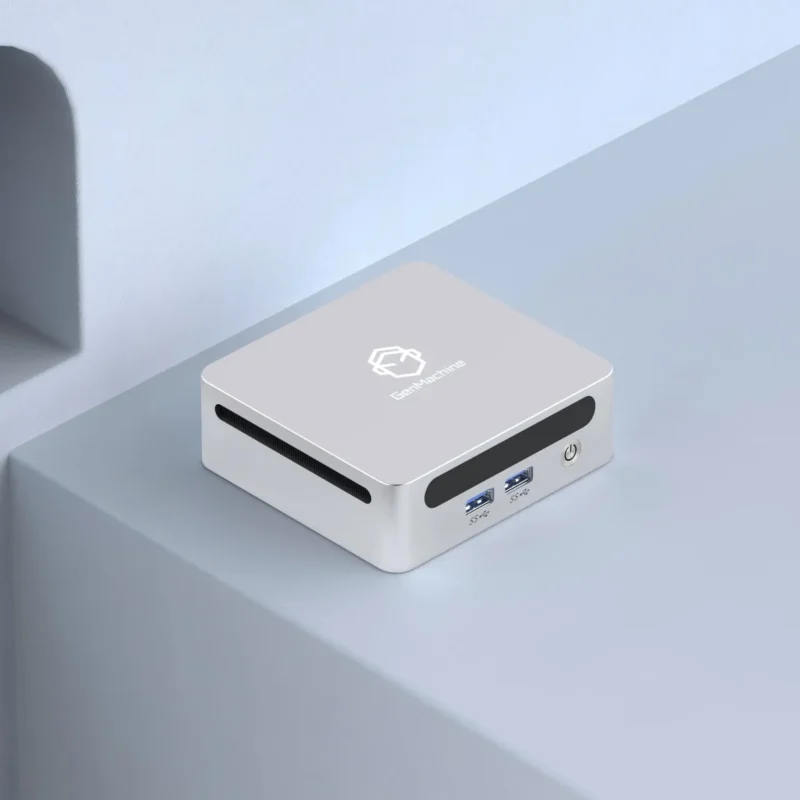
Brands like GenMachine leverage this ecosystem effectively. By operating within this manufacturing hub, they access the same components that premium brands use — including AMD Ryzen processors — but at substantially lower costs. The savings get passed along to consumers, which explains part of the pricing mystery.
AMD Ryzen Mini PC: Performance Without the Premium
Speaking of processors, the rise of AMD Ryzen chips has transformed the mini PC landscape. Ryzen APUs combine capable CPU cores with integrated Radeon graphics, making them ideal for compact systems. No discrete GPU needed for everyday tasks, light gaming, or even some creative work.
An AMD Ryzen mini PC can now handle workloads that previously required larger, more expensive machines. And Chinese manufacturers have embraced this opportunity aggressively.
Popular Ryzen options in Chinese mini PCs include:
- Ryzen 5 5600U Mini PC— Solid 6-core performance, excellent efficiency
- Ryzen 7 5800H Mini PC— 8 cores, handles heavier multitasking
- Ryzen 7 7735HS Mini PC— Newer architecture, improved integrated graphics
- Ryzen 9 6900HX Mini PC— High-end option for demanding users
GenMachine, for instance, offers several AMD Ryzen mini PC configurations at price points that undercut bigger names noticeably. The processors are identical — AMD doesn’t make “budget versions” for different manufacturers. So buyers get genuine Ryzen performance without paying brand premiums.
Lower Overhead, Leaner Operations
Labor costs matter, obviously. Factory workers, engineers, and support staff in China generally earn less than equivalents in North America or Europe. But it goes beyond wages.
Chinese mini PC brands often run leaner operations overall:
- Smaller marketing budgets— Relying on YouTube reviews, forums, and word-of-mouth instead of expensive advertising
- Direct sales channels— Selling through their own websites or Amazon, cutting out retail middlemen
- Rapid product cycles— Launching new models frequently keeps factories busy and spreads fixed costs
- Minimal physical presence— No expensive showrooms or retail partnerships to maintain
GenMachine exemplifies this approach. Rather than spending heavily on traditional marketing, the brand focuses on product development and competitive pricing. This strategy resonates particularly well with tech-savvy buyers who research specifications rather than relying on brand recognition alone.
Component Choices: Where Savings Happen
Alright, transparency matters here. Not all cost reductions come from efficiency. Sometimes, component choices explain price differences between Chinese mini PCs and premium alternatives.
| Component | Budget Approach | Premium Approach |
|---|---|---|
| RAM | Single-channel, basic speeds | Dual-channel, optimized timings |
| SSD | Lesser-known brands | Samsung, SK Hynix, WD Black |
| WiFi | Budget WiFi 6 modules | Intel AX210 or similar |
| Thermal solution | Adequate paste and heatsinks | Premium thermal compounds |
| Power supply | Functional adapters | Higher-efficiency, certified units |
| Chassis | Practical plastic builds | Metal construction, better finish |
Does this matter for everyone? Honestly, not really. Someone using an AMD Ryzen mini PC for browsing, office work, and streaming probably won’t notice whether the SSD is Samsung or a lesser-known brand. Performance remains solid either way.
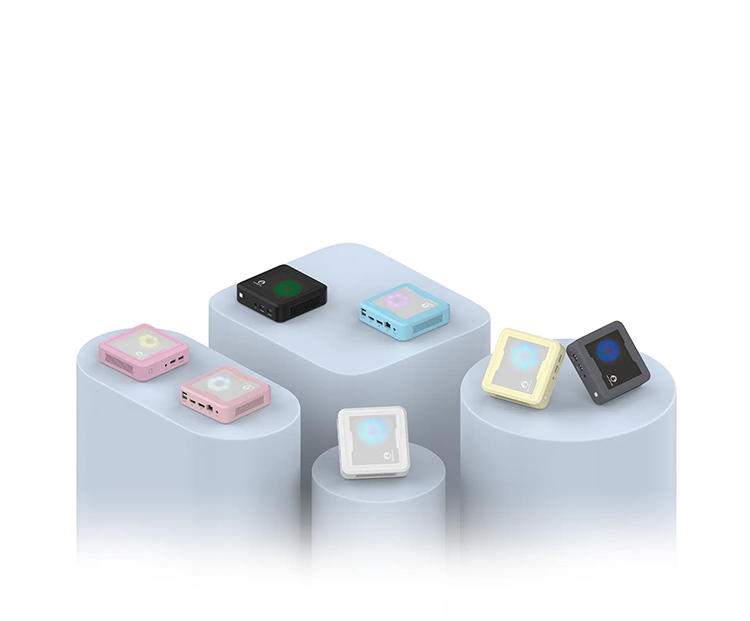
However, higher-end models from brands like GenMachine often include better components — dual-channel RAM, quality storage, improved cooling. The key is checking specifications carefully rather than assuming all budget options cut the same corners.
GenMachine: A Case Study in Value
Among the growing number of Chinese mini PC brands, GenMachine has carved out an interesting position. The company focuses specifically on AMD Ryzen mini PC configurations, offering machines that balance performance, build quality, and affordability.
What sets GenMachine apart from some competitors:
- Ryzen-focused lineup— Consistent emphasis on AMD processors rather than mixing Intel and AMD haphazardly
- Reasonable component choices— Dual-channel RAM configurations, NVMe storage on most models
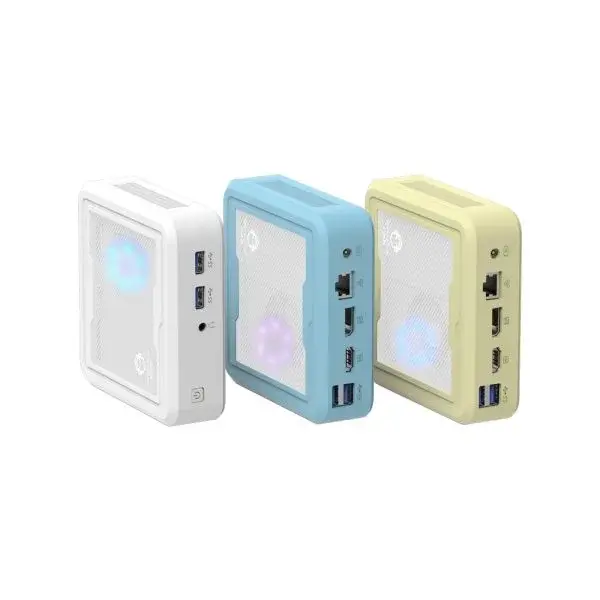
- Compact designs— Genuinely small form factors that suit desks, entertainment centers, or even behind-monitor mounting
- Competitive warranty terms— Support that’s more responsive than some budget brands
For buyers specifically seeking an AMD Ryzen mini PC without paying flagship prices, GenMachine represents the kind of value that makes Chinese mini PCs compelling. The machines work. They perform. And they cost less. That’s a straightforward proposition.
Of course, like any brand, doing research before purchasing makes sense. Reading reviews, checking user feedback, confirming specifications — these steps help avoid disappointment regardless of manufacturer origin.
The Brand Premium Question
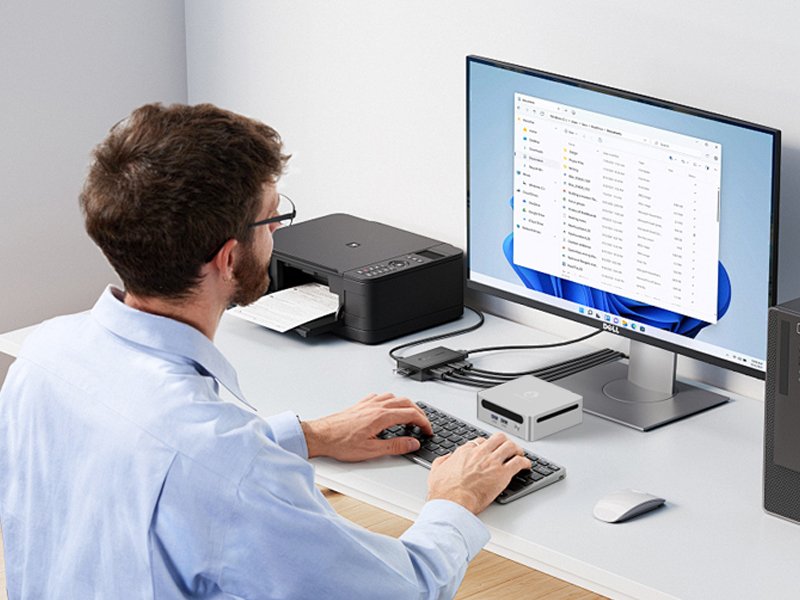
Brand names like Intel, ASUS, and HP bake decades of marketing, global support and retail presence into their prices — and that premium is worth it for buyers who prize broad warranty coverage and the reassurance of a household name. GenMachine and similar Chinese mini‑PC makers take a different approach: leaner operations, lower overhead, and a direct‑to‑customer model that translates into very competitive pricing and often faster product iterations. For many shoppers this is an advantage — you get strong hardware value, flexible configurations, and companies that move quickly on new components and niche needs.
If you prefer GenMachine, that’s a perfectly reasonable choice. To make the most of it, buy from reputable sellers, check warranty and return policies, read recent user reviews, and tap community forums for tips and firmware updates. Those simple steps keep the focus on GenMachine’s strengths — affordability, innovation and pragmatic engineering — without sacrificing peace of mind.
Should Someone Buy a Chinese Mini PC?
Given everything discussed, the question becomes practical — are Chinese mini PCs worth considering? Generally speaking, yes. But context matters.
Good fit for:
- Budget-conscious buyers prioritizing value
- Users with moderate computing needs (productivity, media, light gaming)
- Those comfortable researching specifications and reading reviews
- People who prefer AMD Ryzen mini PC configurations specifically
Potentially less ideal for:
- Mission-critical business applications requiring guaranteed support
- Users who prefer physical retail options and easy returns
- Buyers uncomfortable with less-established brands
- Workloads demanding absolutely premium components
Brands like GenMachine demonstrate that affordable doesn’t automatically mean unreliable. Many users have excellent experiences with their machines. But informed purchasing — understanding what’s included, what’s not, and what trade-offs exist — leads to better outcomes.
Final Thoughts
Why are Chinese mini PCs so cheap? Manufacturing advantages, lower overhead, aggressive pricing strategies, and sometimes component trade-offs all contribute. The AMD Ryzen mini PC category benefits particularly from China’s ability to deliver genuine processor performance at reduced system costs.
Brands like GenMachine show what’s possible when efficiency meets reasonable quality standards. The machines aren’t perfect — nothing is — but they offer legitimate value for many use cases. Understanding where the savings come from helps buyers make smarter choices.
Ultimately, price reflects choices. Chinese mini PCs offer an alternative to paying premium prices for premium branding. Whether that trade-off makes sense depends entirely on individual needs. For plenty of people, it absolutely does.If you want to know more about Ryzen Mini PC, please read:How to Choose Mini PC for Different Needs