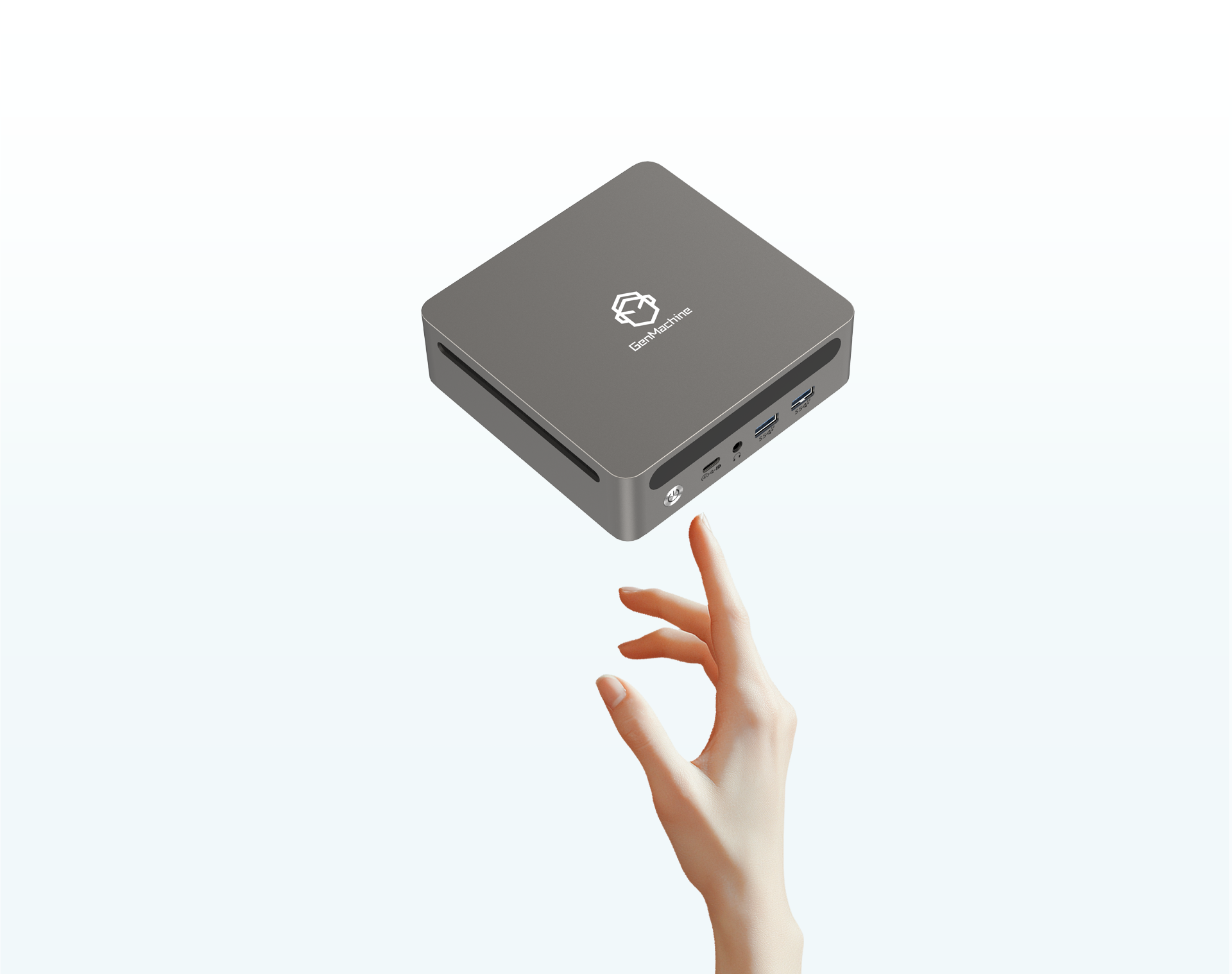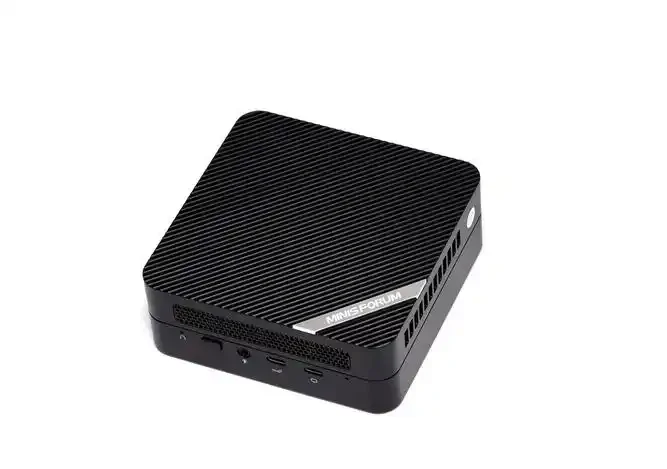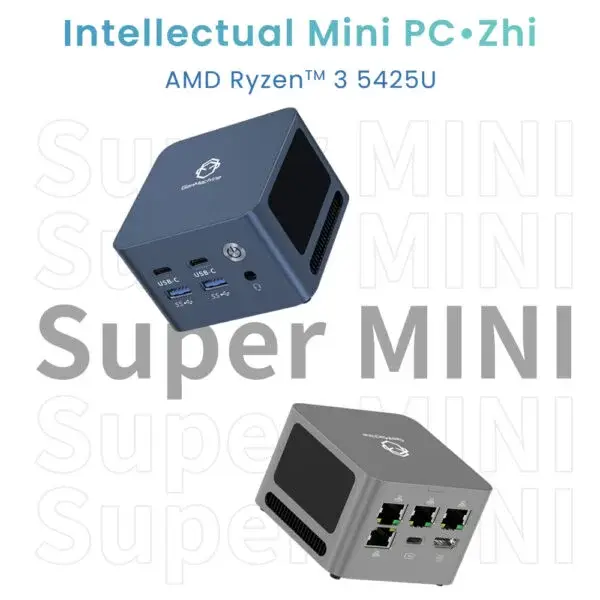
People often look at a massive, glowing computer tower taking up half a desk and think there has to be a better way. And there usually is. Putting together a tiny, console-sized computer is incredibly appealing. It looks super clean, it fits practically anywhere, and it just feels kind of futuristic. But the actual process of building a mini pc is quite a bit different from snapping standard-sized parts together. It demands a specific kind of planning (and maybe a little bit of stubbornness) because standard rules simply don’t apply when the computer case happens to be the size of a shoebox.

The Reality of Building a Mini PC
Tackling this kind of project usually starts with a lot of optimism. Then, the parts arrive, and reality sets in pretty quickly. The margins for error are just wildly thin. In a standard mid-tower, if a power cable is too long or a bit stiff, it just gets shoved behind the dark back panel. Out of sight, out of mind. Building a mini pc doesn’t offer that luxury at all. Every single millimeter of internal space is accounted for. If a graphics card is exactly two millimeters too thick, the side panel simply will not close. It is basically an expensive, highly technical puzzle.
Measuring Twice, Buying Once
It cannot be overstated how important case dimensions actually are. Picking the case first dictates literally every other component choice moving forward. Some compact cases support standard power supplies, but most don’t. Some fit massive fans, others barely have room for a standard stock cooler. It gets a little overwhelming at first, but thoroughly checking clearance numbers on the manufacturer’s website saves a massive amount of headache later on.
Picking Parts for Building a Mini PC Without Losing Your Mind
When sourcing hardware for building a mini pc, certain components matter a whole lot more than they usually would in a big build. Cheaping out on the wrong part usually leads to a machine that sounds like a jet engine or randomly shuts off from overheating.
The ITX Motherboard Tax
This is the foundation of the whole system. Mini-ITX motherboards are tiny little squares, roughly 6.7 by 6.7 inches. Cramming all the necessary circuitry, power delivery, and connectivity onto such a small board is difficult for manufacturers. Because of this engineering hurdle, these boards usually cost noticeably more than their full-sized counterparts. (Hardware enthusiasts usually just refer to this annoying price bump as the ITX tax).
Powering the System
Standard ATX power supplies are usually just too bulky to fit. The go-to choice is almost always an SFX power supply. They are significantly smaller but still manage to deliver the necessary wattage to run high-end hardware without breaking a sweat. For anyone building an intellectual mini PC—where thoughtful component selection matters more than blindly throwing in standard desktop parts—opting for a quality SFX unit is one of the first lessons learned. It’s a deliberate trade-off: less physical space for the PSU means more room for cooling or a larger GPU, and that kind of strategic decision-making separates a well-executed compact build from a frustrating one.

A Typical Budget Breakdown for Building a Mini PC
Costs can fluctuate wildly depending on whether the machine is meant for basic office work or high-end 4K gaming in the living room. Because of the size premium, building a mini pc often ends up costing roughly 15% to 20% more than an identically spec’d large tower.
Here is a loose look at how a mid-range budget usually splits up across the specialized components:
| Component Category | Expected Cost Range | Why It Costs What It Does |
|---|---|---|
| ITX Motherboard | $150–$250 | High density circuitry and built-in Wi-Fi standard |
| SFX Power Supply | $100–$160 | Compact components and shorter modular cables |
| SFF Case | $80–$200 | Specialized tooling and generally lower production volume |
| Low-Profile Cooler | $40–$80 | Specific heat-pipe designs engineered for tiny spaces |
Step-by-Step Survival Guide for Building a Mini PC
Working inside a metal box that is barely larger than a toaster means hands will probably get a bit cramped. Doing things in the wrong order usually means having to take everything apart and starting over completely.
To make building a mini pc slightly less agonizing, following a specific assembly order is highly recommended:
Install the processor, the RAM sticks, and the NVMe storage drive onto the motherboard before it ever touches the case.
Mount the low-profile CPU cooler (doing this later inside the tight case is nearly impossible).
Install the power supply into the chassis, but leave the cables completely unplugged to save space for now.
Carefully lower the motherboard into the case and secure it with screws.
Plug in all the tiny front-panel connectors and power cables before installing the graphics card, since the GPU will block most of the board.
Cable management isn’t just about making things look pretty on the inside. It is actually crucial for the machine’s survival.
Stiff, messy cables actively block natural airflow.
Loose wires can easily drift into spinning fan blades when the case is moved.
Bad routing traps ambient heat around the motherboard components.
FAQ
Is building a mini pc harder than a regular desktop?
It is definitely more challenging, mostly due to the sheer physical space constraints. You have to plan the order of assembly very carefully and deal with uncomfortably tight clearances, but the actual electronic connections (where the plugs go) are exactly the same as a normal computer.
Do small form factor computers overheat easily?
They certainly run warmer than massive cases with huge fans, but they don’t necessarily overheat if built correctly. Choosing a case with heavily ventilated mesh panels and using a good low-profile cooler usually keeps internal temperatures well within safe operating limits, even during heavy gaming.
Can you put a full-sized graphics card in a tiny case?
It heavily depends on the specific case design. Some compact chassis are cleverly designed (often using flat PCIe riser cables) to fit surprisingly large, triple-fan graphics cards. However, the absolute smallest cases out there will definitely require a specific low-profile card or rely entirely on integrated graphics processors.