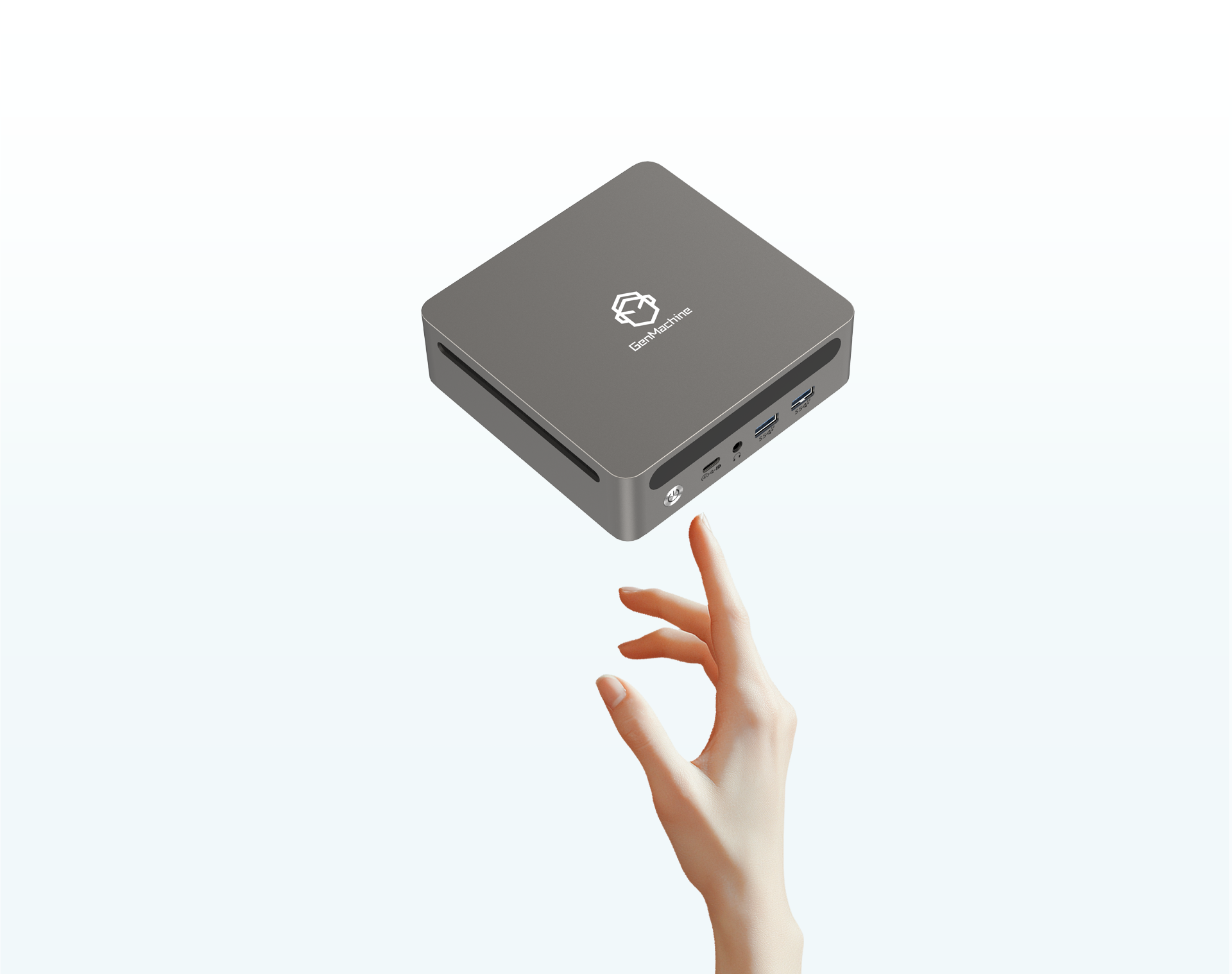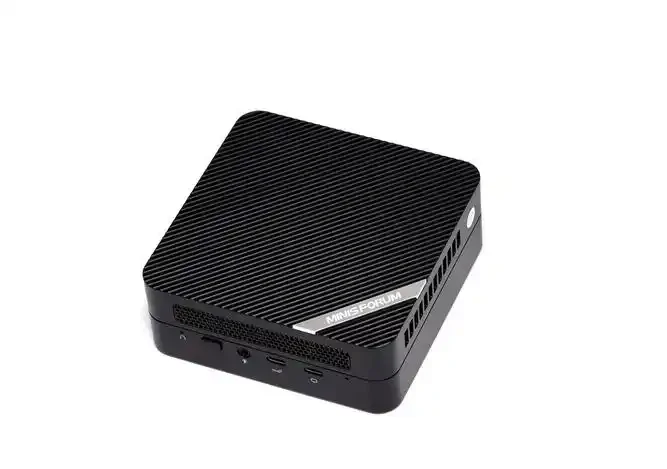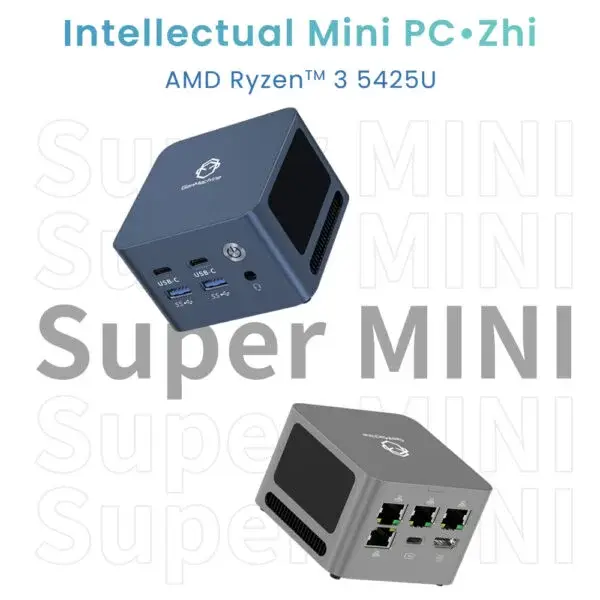
They look absolutely amazing sitting next to a monitor. A tiny, dense metal box packing the sheer power of a massive desktop tower. But cramming high-end components into a tiny physical space creates a very specific set of problems. Mostly, it all comes down to heat. Maintaining a Small Form Factor Gaming PC isn’t exactly the same as taking care of a huge, spacious mid-tower, simply because the internal margins for error are basically non-existent. When a case only holds maybe ten or twelve liters of air, every single dust bunny actually matters.

Understanding the Heat Problem in a Small Form Factor Gaming PC
Standard desktop towers have massive intake fans on the front. They just forcefully push huge amounts of fresh air through the chassis (which honestly covers up a lot of maintenance neglect over the years). In a compact rig, components are stacked right on top of each other. The graphics card is usually breathing right against a metal side panel. So, keeping a Small Form Factor Gaming PC from turning into a tiny desk oven requires a bit more proactive thinking. It just needs a solid, predictable routine.
Why Dust is the Real Enemy
Dust acts exactly like an insulating blanket. In a big case, it might bump temperatures up a degree or two, which is barely noticeable. In a tightly packed system, a thin layer of fine dust on a radiator or a low-profile heatsink will completely ruin the airflow.
When dust is allowed to settle inside a tiny case, it creates a variety of cascading issues:
It blankets heatsink fins, severely reducing their ability to release thermal energy into the air.
It forces tiny, low-profile case fans to spin faster and significantly louder just to push the exact same amount of air.
It traps ambient heat inside the power supply, which can slowly degrade the internal capacitors over time.
Core Maintenance Strategies for a Small Form Factor Gaming PC
Taking care of one of these incredibly dense little machines doesn’t have to be a miserable, all-day weekend project. Following a few specific habits goes a really long way in extending the lifespan of the hardware.
Control the Surrounding Environment It sounds highly basic, but where the computer sits dictates exactly how much dust it swallows. Putting it directly on a carpeted floor is pretty much a death sentence for internal airflow. Keeping it elevated on a hard desk surface, or even a small monitor riser, makes a massive difference in how much pet hair and floor dust gets sucked into the bottom intakes.
Master the Canned Air Routine Taking off the side panels every couple of months to blow out the internal fins is completely non-negotiable. Tiny, high-RPM fans get clogged up very easily. This is especially critical for a compact mini PC, where every millimeter of space is utilized and the narrow vent channels can become blocked with even a small amount of household dust. (And definitely remember to hold the fan blades completely still with a finger while blowing them out, so the bearings don’t get ruined from spinning way past their rated speeds). Neglecting this routine on such a tightly packed system can lead to overheating and thermal throttling far sooner than you’d expect.
Wash the Magnetic Dust Filters Most modern compact cases use flexible magnetic mesh filters. Just wiping them off with a dry cloth isn’t always enough because fine particulate gets permanently stuck deep in the mesh. Running them under warm water in the sink (and letting them dry entirely before putting them back) restores the original airflow paths.
To visualize how often this stuff actually needs to happen, here is a generally accepted timeline for standard, relatively clean environments:
| Maintenance Task | Recommended Frequency | Time Required |
|---|---|---|
| Wiping down exterior vent panels | Every 2 to 3 weeks | 2 minutes |
| Cleaning internal magnetic filters | Once a month | 10 minutes |
| Deep dusting with compressed air | Every 3 to 4 months | 15 minutes |
| Checking fan curve software | After major Windows updates | 5 minutes |
| Complete teardown and thermal repaste | Every 2 to 3 years | 2+ hours |
FAQ
How hot is too hot for a Small Form Factor Gaming PC while gaming?
It is pretty normal for these dense little systems to run noticeably warmer than traditional towers. Seeing CPU and GPU temperatures hovering in the 75°C to 82°C range under a heavy, sustained load is usually completely fine. However, if things start constantly pushing past the 90°C mark, it is definitely time to clean the dust out or check the fans.
Is liquid cooling or air cooling easier to maintain in small cases?
High-quality air cooling is generally way easier to maintain over the long haul. Liquid cooling radiators trap a massive amount of thick dust between the radiator fins, and if a pump ever fails inside a tight chassis (which occasionally happens), taking everything apart to replace the unit is a massive headache. Air coolers mostly just need a quick dusting to keep working perfectly.
Does taking off the side panel help lower temperatures?
Sometimes it does, but it often completely ruins the intended directional airflow. Small cases are usually designed to forcefully pull cool air over specific internal components like the motherboard VRMs. Removing the panel might drop the main graphics card temperature a bit, but it leaves the rest of the Small Form Factor Gaming PC highly vulnerable to faster dust buildup and uneven component cooling.