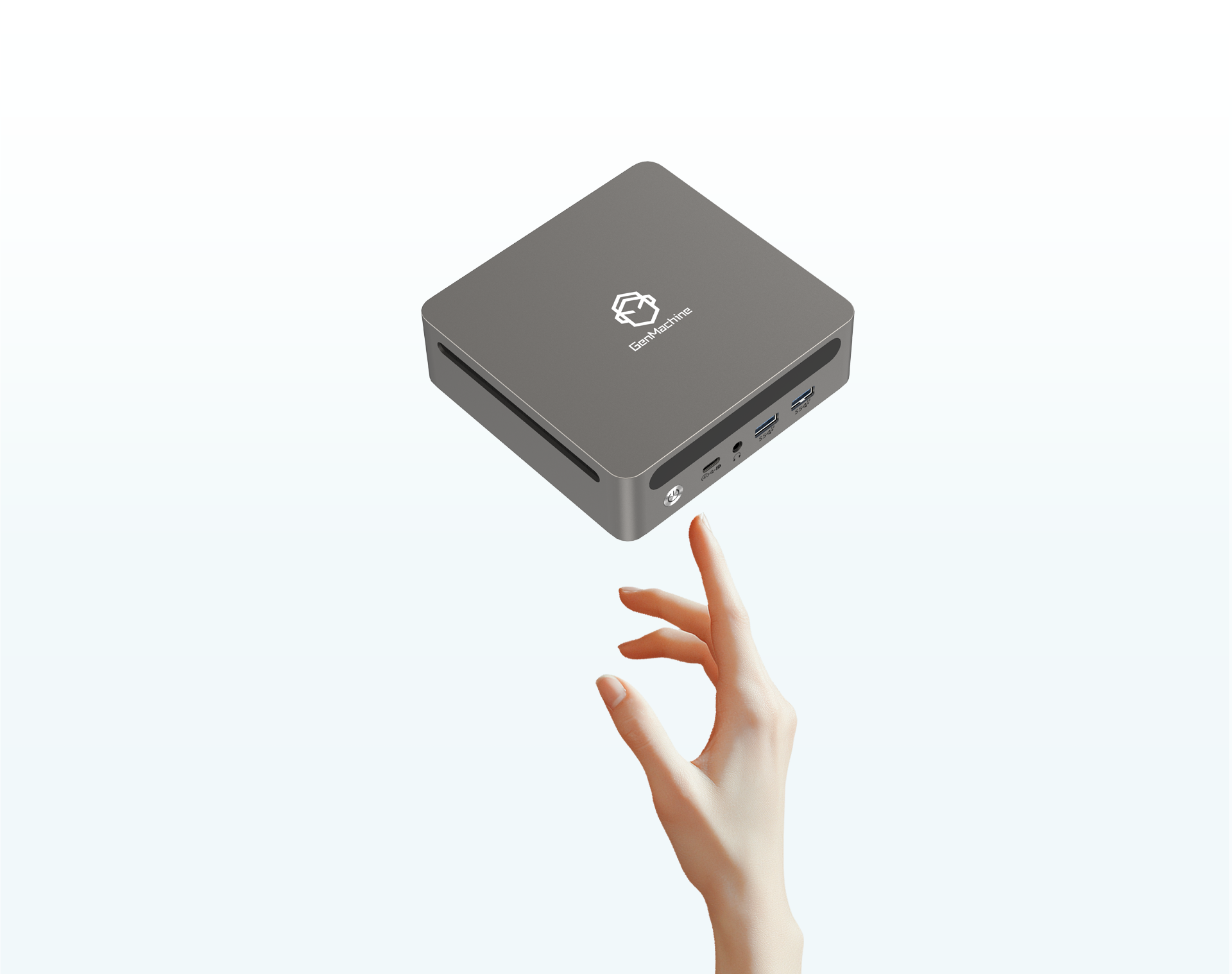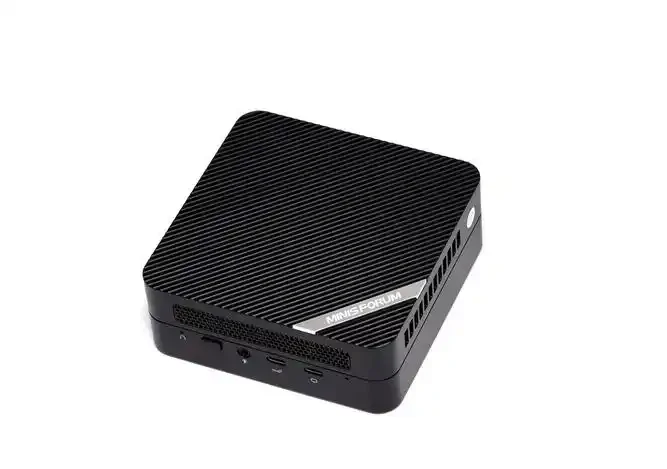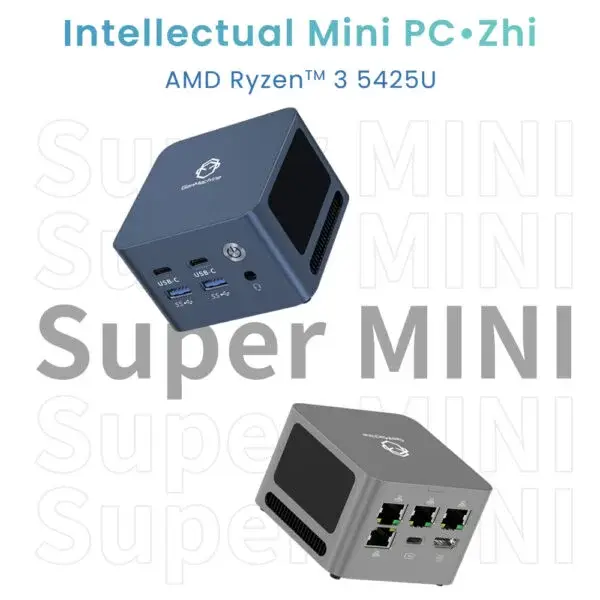
Walking into an electronics store nowadays, it is genuinely shocking how small computers have gotten. The massive, humming towers that used to sit under every single desk are kind of becoming a thing of the past. Instead, a sleek little box sitting next to a monitor is usually more than enough to get the job done. Finding the best mini PC under 500$ recommended by tech enthusiasts might seem like looking for a needle in a haystack, but there are actually some really solid options out there. It just takes a bit of digging to separate the decent machines from the absolute junk.
Managing Expectations for a Mini PC in This Price Range
Dropping around five hundred bucks is definitely a decent chunk of change, but in the computer world, it is still considered pretty heavily in the budget category. Buying a mini PC at this price point usually means accepting a few compromises. It won’t be rendering 3D cinematic movies or playing the latest heavy video games at maximum graphic settings. That just isn’t what these devices are built for. However, for everyday office tasks, endless web browsing, and streaming high-definition video, they are surprisingly snappy. They boot up extremely fast (mostly because almost all of them use solid-state drives now) and handle daily household life without throwing a tantrum.
The Processor and Memory Sweet Spot
Inside these tiny chassis, the processor acts as the main engine. Under the five-hundred-dollar mark, seeing mid-range laptop chips from Intel or AMD is completely standard. These processors are designed to sip power rather than gulp it, which keeps the overall system heat down. Memory is really where attention needs to be focused, though. Picking up a mini PC with anything less than 16GB of RAM is generally a mistake these days. Web browsers are notoriously greedy, and having that extra memory buffer just makes everything feel so much smoother when switching between a dozen open browser tabs.
Crucial Features of a Daily Driver Mini PC
When looking closely at spec sheets online, it is incredibly easy to get blinded by marketing buzzwords. Looking at the actual, physical utility of the box is way more important. A good mini PC needs to actually fit into a normal desk environment without causing a massive daily headache.
Plenty of connection ports are essential. Having at least four USB ports prevents the annoying struggle of swapping out keyboard dongles just to plug in a simple thumb drive.
A quiet cooling fan is a massive plus. Fanless designs are okay on paper, but they can get surprisingly hot to the touch during heavy, sustained workloads.
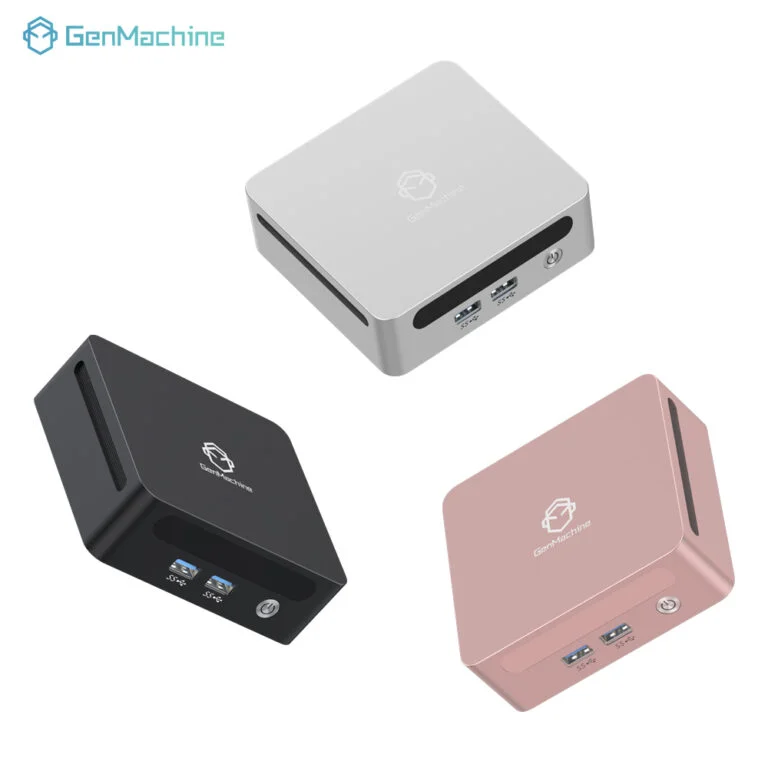
A metal chassis usually feels a bit more premium and helps dissipate heat much better than cheap, thin plastic shells.
Decoding the Market: Mini PC Tiers
| Budget Tier | Typical Processor Level | Expected RAM | Ideal Everyday Scenario |
|---|---|---|---|
Ultra-Cheap (Under $200) | Low-wattage Intel N-series | 8GB | Running digital signage, basic web surfing |
Middle Ground ( 200−200− 350) | Older generation Core i5 / Ryzen 5 | 16GB | Working from home, heavy spreadsheet use |
Premium Budget ( 350−350− 500) | Newer generation Core i7 / Ryzen 7 | 16GB to 32GB | Light photo editing, running virtual machines |
The Hidden Value of Upgrades
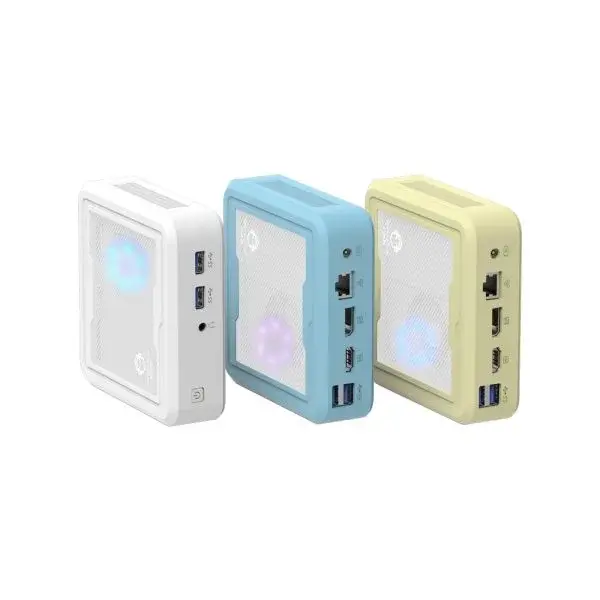
Something really neat about a lot of these devices is that they aren’t permanently sealed shut. The 5800U AMD Mini PC is a perfect example of this user-friendly design. Grabbing a cheaper mini PC now and popping a larger storage drive or an extra stick of memory into it a year or two down the line is a fantastic way to stretch that initial investment. It essentially gives the machine a whole new lease on life for just a few extra bucks, which is great for longevity.
Setting Up a New Mini PC Without the Headache
Getting a new gadget out of the box is always fun, but the initial software setup phase can be oddly frustrating if things aren’t done in a specific order. Following a basic routine usually skips the annoying software glitches.
Unpack the unit and securely connect the display cables before plugging in the main power brick.
Boot up the machine but intentionally skip connecting to the Wi-Fi network initially (this neatly avoids forced, mandatory cloud account creations).
Once the standard main desktop appears, connect to the internet and immediately run every single required system update.
Restart the device completely before installing any personal software packages or custom web browsers.
FAQ
Can mini pc connect to older computer monitors?
Yes, usually. Most of these tiny computers come with standard HDMI ports that plug directly into almost any monitor or television made in the last decade. If a really old monitor only has a blue VGA plug, a cheap little adapter cable is usually all it takes to quickly bridge the gap.
Does mini pc consumes a lot of daily electricity?
Not at all. In fact, one of the biggest benefits of a mini PC is how remarkably little power it draws compared to a full-sized desktop tower. They typically use the exact same highly efficient power components found inside modern laptops, meaning they barely make a dent in the monthly power bill.
Is Wi-Fi already built into the device?
Almost universally, yes. Modern units come with internal wireless network cards pre-installed, so there is absolutely no need to run a giant ethernet cable all the way across the living room floor unless an ultra-stable wired connection is absolutely necessary for something like fast-paced competitive gaming.