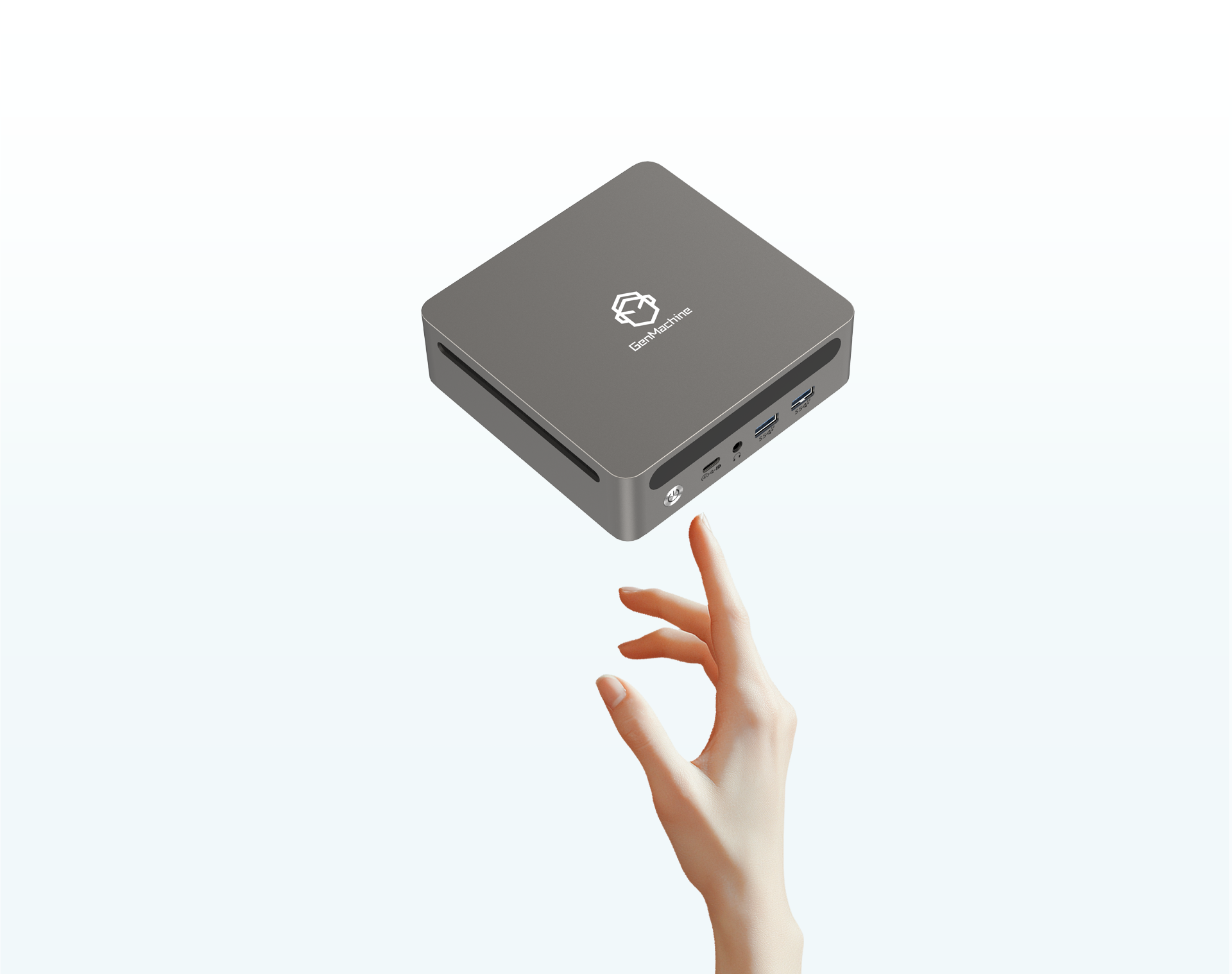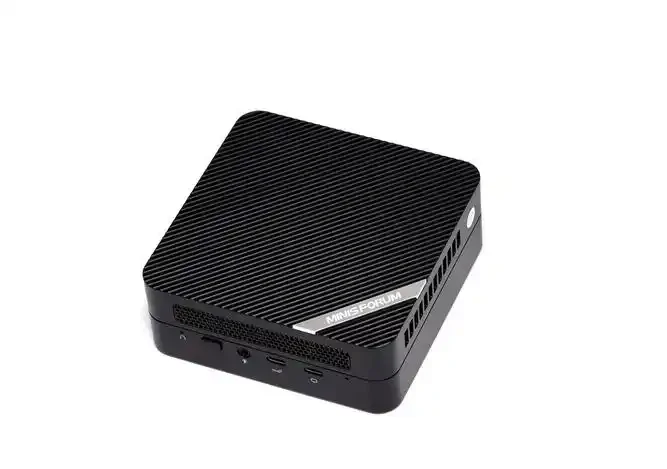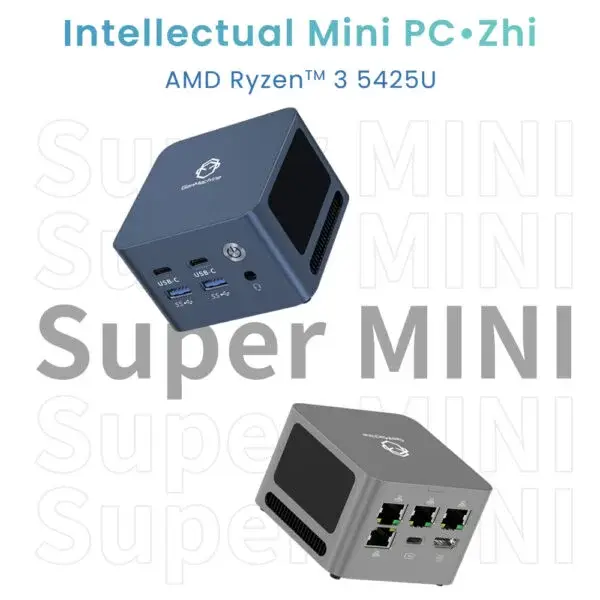
Looking around modern corporate environments, or even just regular home offices, the gigantic humming metal towers of the past are definitely vanishing. It is actually sort of funny to remember how much legroom was sacrificed to bulky computers just a few years ago. Now, a mini PC for office work can easily handle pretty much any daily administrative task, sitting quietly behind a monitor or tucked neatly on the corner of a desk. Figuring out the best mini PC for office work really comes down to understanding what actually happens during an average workday. Most people aren’t rendering massive 3D animations or compiling giant blocks of code; they are mostly just wrestling with dozens of browser tabs, massive spreadsheets, and endless video calls.

Why Choosing a Mini PC Makes Sense for Office Work
Deciding to swap out an old traditional desktop for a tiny PC usually brings up a few hesitations. People tend to think smaller means noticeably slower, but that simply isn’t true anymore. The microchips inside a modern mini PC are virtually identical to the highly efficient ones powering high-end business laptops. They run cool, use barely any electricity, and handle the daily grind without breaking a sweat.
The Beauty of Reclaiming Desk Space
There is something oddly satisfying about having a clean, minimalist workspace. Getting rid of that heavy computer case frees up so much physical room (which is great for laying out paperwork or just keeping an extra coffee cup nearby). Plus, dragging a vacuum under the desk is suddenly a breeze when there isn’t a massive mess of tangled power cables wrapping around a huge computer tower.
Important Specs for an Everyday Mini PC
When trying to narrow down the best mini PC options, glancing at the hardware specifications online can feel a bit like reading a foreign language. Honestly, for typical office tasks, top-of-the-line gaming parts aren’t really necessary at all. It is more about finding a balanced machine that won’t randomly freeze at two in the afternoon.
Finding the Right Balance
For things like word processing, answering emails, and juggling Zoom meetings, a mid-tier processor is usually the absolute sweet spot. RAM, or memory, is the actual big deal here. Since modern internet browsers love to hoard memory, getting a system with plenty of RAM is basically mandatory at this point to avoid system slowdowns.
| Hardware Component | Bare Minimum | Highly Recommended | Real-World Benefit |
|---|---|---|---|
Processor (CPU) | Intel N100 / Ryzen 3 | Core i5 / Ryzen 5 | Keeps heavy multitasking surprisingly smooth |
Memory (RAM) | 8GB DDR4 | 16GB DDR4 or DDR5 | Prevents web browsers from lagging or crashing |
Storage Drive | 256GB SSD | 512GB NVMe SSD | Plenty of room for large PDF files and fast boot times |
Must-Have Features on an Office Mini PC
Raw performance is obviously important, but daily usability is what really makes or breaks an office computer. If plugging in a simple flash drive requires crawling under a desk with a flashlight, that is a huge problem. It pays off to look closely at the physical design of the mini PC chassis before buying anything.
A good variety of USB ports on both the front and back. Keyboards, wireless mouse dongles, webcams, and office printers eat up ports incredibly fast.
Dual HDMI or DisplayPort video outputs. Running two monitors is basically standard practice in most offices nowadays, so the machine needs to support multiple screens natively.
A relatively silent internal cooling fan. Some tiny computers can sound a bit like tiny jet engines under a heavy load, which gets super annoying during a quiet afternoon of typing.

Setting Up the Mini PC Workstation
Getting everything unboxed and running isn’t overly complicated by any means, even for the 7530U AMD Mini PC. However, following a specific order of operations kind of smooths out the whole process and avoids weird software glitches.
Mount the mini PC to the back of the primary monitor using a standard VESA bracket if desk space is extremely tight.
Hook up the monitors, mouse, and keyboard before ever touching the main power button.
Turn the system on and deliberately skip the initial internet connection step (this neatly avoids the annoying forced cloud account setup that operating systems push so hard these days).
Once the standard local desktop appears, connect to the office Wi-Fi and let all the mandatory system updates run their course.
FAQ
Can a mini PC run Microsoft Office smoothly?
Absolutely. Word, Excel, PowerPoint, and Outlook run flawlessly on these small machines. Since these specific applications don’t require heavy graphical processing power, a standard mini PC will open and run huge spreadsheet files just as fast as a massive, expensive desktop tower would.
Are they easy to upgrade later on?
It really depends on the specific brand and model, but generally speaking, yes. A lot of popular models allow the bottom cover to be popped off with just a few standard screws. It is usually pretty simple to snap in a larger storage drive or add an extra stick of memory if the computer starts feeling a little sluggish a few years down the road.
Do they overheat when left on all day?
Not typically, no. They are specifically designed with low-wattage laptop components that inherently generate very little heat compared to standard desktop parts. As long as the side air vents aren’t completely blocked by a stack of messy paperwork or pushed flush against a wall, leaving a mini PC turned on for a standard nine-to-five workday is perfectly safe.