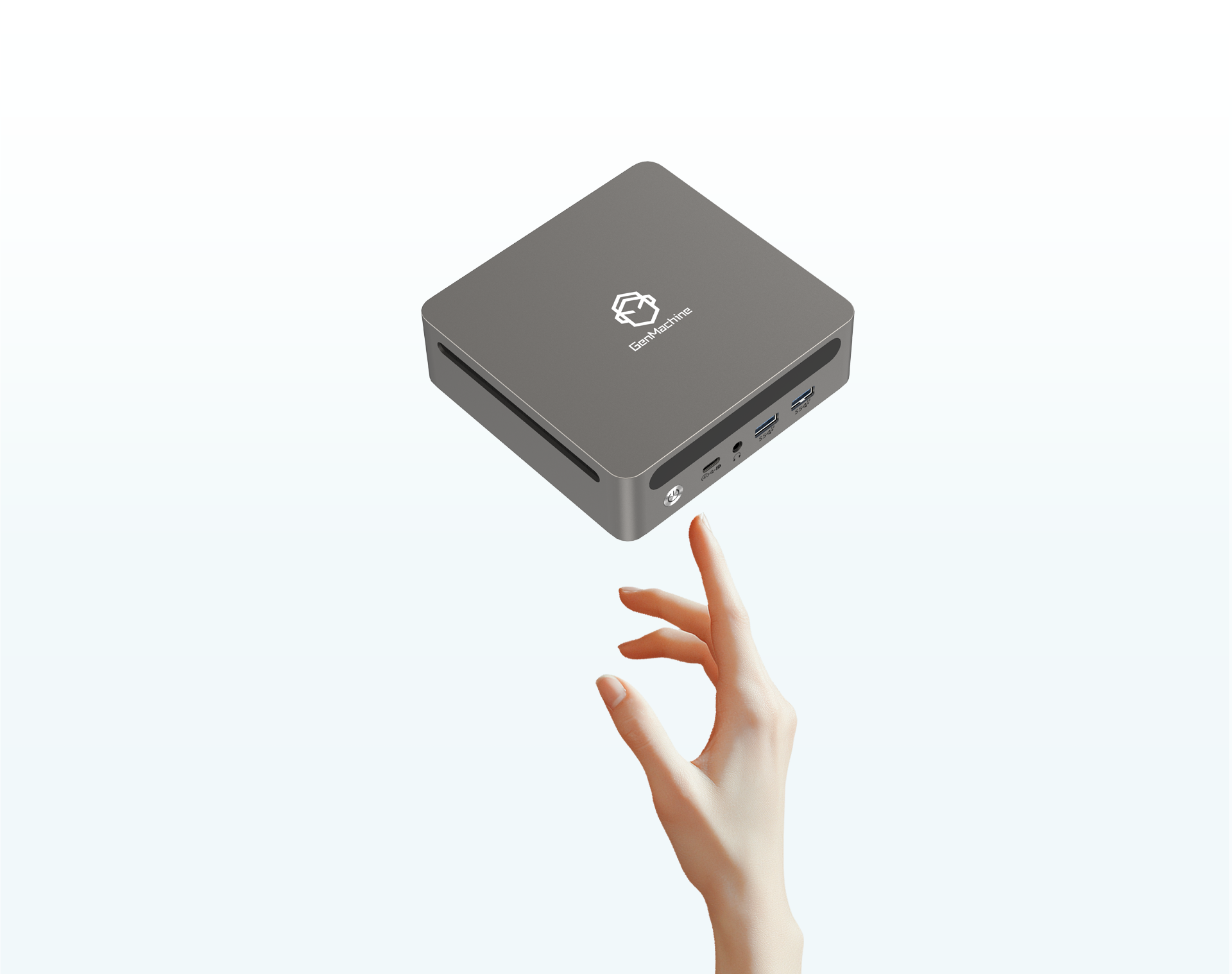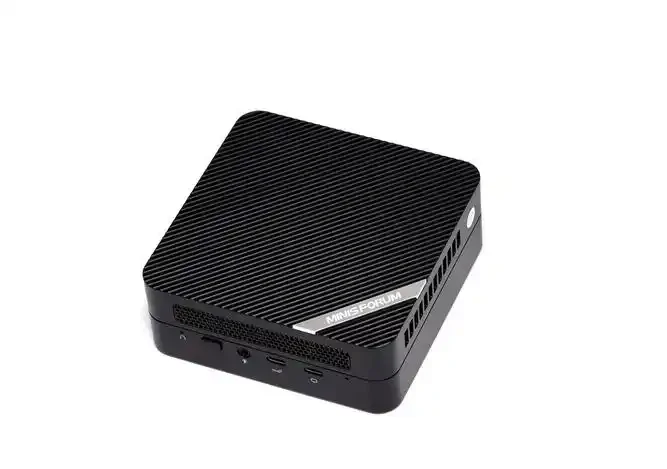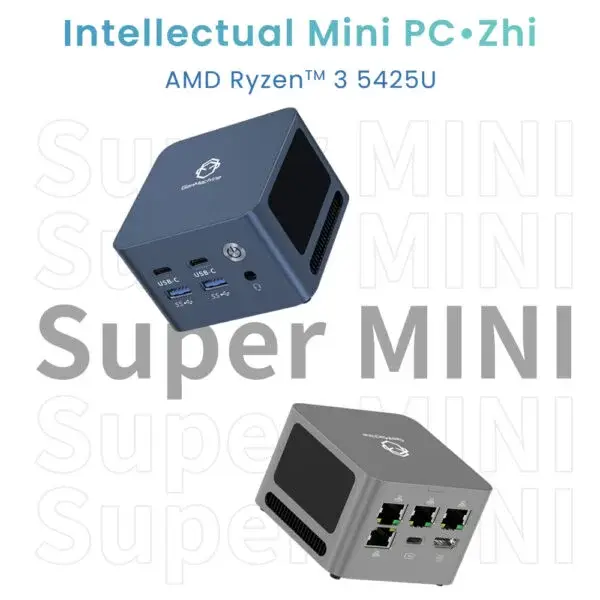
Looking at standard gaming setups from just a few years ago, massive, neon-glowing metal towers usually took up half the room. It was sort of just accepted that playing demanding video games meant sacrificing a huge amount of physical desk space. Now, walking into a modern room and seeing a tiny, unassuming box running the latest heavy-duty titles at incredibly high frame rates is honestly a bit surreal. Figuring out exactly what to look for when picking out a mini gaming PC can be somewhat tricky, though, mainly because the rules are slightly different compared to shopping for a giant traditional desktop.

Understanding the Mini Gaming PC Market
There is a delicate balancing act happening inside a compact gaming computer. Manufacturers are basically trying to cram high heat-generating microchips into a chassis the size of a shoebox (or sometimes even smaller, like a thick hardcover book). Because of this tight physical space, managing expectations is a pretty good idea right from the start.
Integrated versus Dedicated Graphics
This is usually where a lot of confusion happens when browsing online. Some tiny computers claim to be built for entertainment but rely entirely on integrated graphics (which essentially means the video processing is handled by the main computer chip). While integrated graphics have gotten incredibly impressive lately, they still occasionally struggle with top-tier, visually intense games. For a reliable, high-fidelity experience, choosing an intellectual mini gaming pc that actually includes a dedicated mobile graphics card is usually the smartest route to take.
Key Features to Prioritize in a Mini Gaming PC
It is super easy to get distracted by flashy LED lights or aggressive exterior shell designs when browsing electronics stores. Looking past the plastic shell and focusing on the actual mechanical layout is what really matters for long-term daily usability.
Adequate ventilation is absolutely critical. Tiny metal boxes naturally trap heat, so looking for a chassis with lots of mesh panels or wide, visible exhaust vents prevents the system from thermally throttling (which basically means the computer slows itself down to avoid melting) during a long session.
Easy access to the internal components. Having to remove twenty tiny, easily stripped screws just to blow the dust out of the fan is incredibly frustrating.
Plenty of high-speed connection ports. A modern small form factor PC needs to accommodate a ton of peripherals, so having multiple USB ports and at least two display outputs is essentially mandatory for a good desk setup.
Comparing Mini Gaming PC Hardware Tiers
Breaking down the hardware into rough categories makes the shopping process a whole lot less overwhelming. The market ranges from budget indie-game machines to surprisingly fierce, top-tier powerhouses.
| Hardware Tier | Typical Graphics Setup | Recommended RAM | Best Suited For |
|---|---|---|---|
Entry Level | High-end Integrated (like Radeon 780M) | 16GB | Fast E-sports titles, older retro games, 1080p resolution |
Mid-Range | Mobile RTX 3060 or 4050 | 16GB to 32GB | Modern mainstream games on medium settings, 1440p monitors |
Enthusiast | Mobile RTX 4070 or higher | 32GB or more | Ultra-high framerates, heavy virtual reality headset setups |

Setting Up a New Mini Gaming PC Properly
Getting a new tech toy out of the packaging is always a fun moment, but rushing the initial software setup usually leads to random stuttering or crashing once an application actually launches. There is a somewhat specific routine that helps avoid these annoying software headaches down the line.
Unpack the unit and carefully place it in a spot on the desk where the exhaust fans have at least a few inches of totally clear breathing room against the wall.
Boot up the operating system and let it run through its basic initialization without opening any web browsers or other programs.
Head straight to the graphics manufacturer’s website and manually download the absolute latest video drivers, as the ones installed at the factory are almost always several months out of date.
Restart the system completely before finally downloading any digital storefronts or heavy software applications.
FAQ
Will a mini gaming pc overheat easily?
As long as it is purchased from a reputable, known brand and placed in a well-ventilated spot on the desk, overheating shouldn’t really be a major issue. They definitely tend to run slightly warmer, and the internal fans might spin a bit louder than a massive desktop case, but the components inside are specifically designed to safely operate at those higher temperatures without failing.
Can the graphics card be upgraded later?
Generally speaking, no. Unlike a big metal tower where swapping a graphics card takes five minutes with a screwdriver, the graphics chips inside a mini gaming PC are usually permanently soldered directly onto the motherboard to save physical space. Whatever configuration is purchased on day one is pretty much the graphics performance the machine will have for its entire lifespan.
Is the performance exactly equal to a full-sized desktop?
Not exactly, but it is impressively close. Because these mini gaming pc often use mobile-grade processors (very similar to what is found inside a high-end gaming laptop), they draw less power and generate slightly less heat. This means they might be about ten to fifteen percent slower than a gigantic desktop using the exact same component model numbers, but that slight difference is honestly barely noticeable during actual, real-world daily use.