AMD has quietly become a serious player in the mini PC space over the past few years. What started as Intel’s domain now sees AMD Ryzen chips showing up in compact desktops that punch well above their weight, making it easier than ever to pick out the best amd mini pcs for daily use, office work and light entertainment. The appeal is pretty clear once you look at the specs — more cores, stronger integrated graphics, and competitive pricing all packed into something that fits in one hand.
Why AMD Mini PCs Have Gained Traction
What to Look for When Choosing the Best AMD Mini PCs
Top Picks Among the Best AMD Mini PCs Available Today
The lineup shifts constantly as new Ryzen generations roll out, but a handful of models have held their ground based on performance, reliability, and overall value. Here’s how some of the more popular options compare:
| Model | Processor | Max RAM | Best For |
|---|---|---|---|
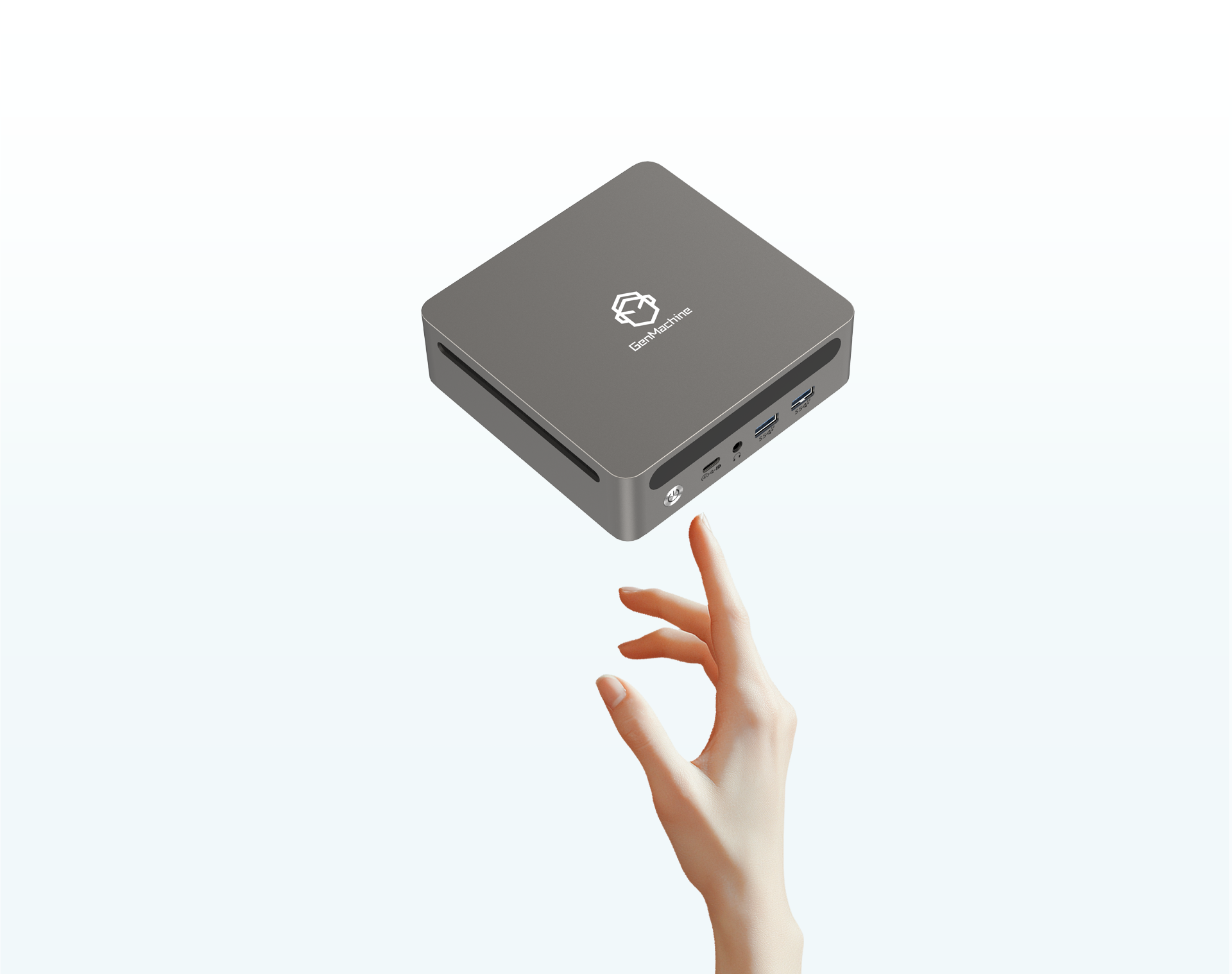
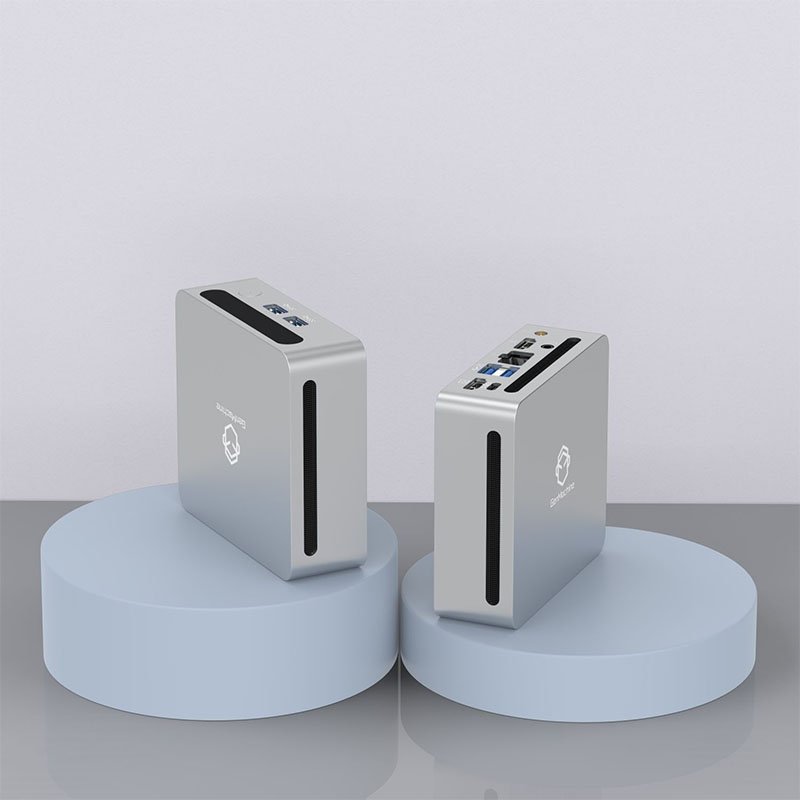
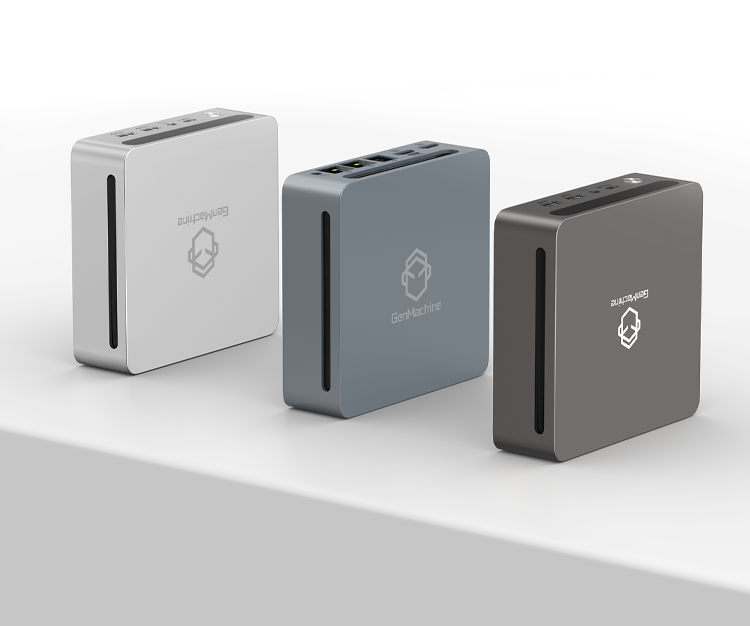
Genmachine AMD Mini PC | Ryzen 9 7940HS | 64GB DDR5 | High-end productivity, light gaming |
Beelink SER7 | Ryzen 7 7840HS | 64GB DDR5 | Balanced performance and price |
GMKtec NucBox K8 | Ryzen 7 8845HS | 64GB DDR5 | AI workloads with NPU support |
ASUS PN53 | Ryzen 9 7940HS | 32GB DDR5 | Business, reliability focus |
Beelink SER6 | Ryzen 5 7640HS | 32GB DDR5 | Budget-friendly daily use |
Performance Expectations
It’s worth being realistic about what these machines can and can’t do. They’re not workstations, and they’re not gaming rigs — but they handle a surprising amount of work well. Typical use cases where AMD mini PCs tend to shine:
Office and productivity software, including heavy spreadsheet and document workloads
Programming and development environments with multiple containers or VMs
Media consumption, including 4K video playback
Light to moderate gaming at 1080p with tweaked settings
Home server duties, NAS pairing, or Plex transcoding
For heavier gaming or serious video editing, expectations need adjusting. The Radeon 780M in recent Ryzen chips is genuinely capable — handling games like Cyberpunk 2077 at lower settings, for example — but it’s still an integrated GPU with the limits that come with that.
Price and Value Considerations for the Best AMD Mini PCs
Pricing varies widely, and that’s part of why choosing becomes difficult. A Ryzen 5-powered unit might sit around 400 while a high-\end Ryzen 9 configuration can push past900 before storage and RAM upgrades. Bare-bones (barebones) options — shipped without RAM or storage — usually offer better value for anyone comfortable installing their own components.
A rough pricing breakdown to keep in mind:
Entry-level (Ryzen 5, 16GB RAM, 512GB SSD): 350–350–500
Mid-range (Ryzen 7, 32GB RAM, 1TB SSD): 550–550–750
High-end (Ryzen 9, 32GB+ RAM, 1TB+ SSD): 800–800–1,100
FAQ
Are AMD mini PCs better than Intel alternatives?
For multi-threaded work and integrated graphics performance, AMD usually has the edge right now. Intel still competes well in some efficiency and single-core scenarios, so the better choice really depends on the workload.
Can you game on an AMD mini PC?
Light to moderate gaming, yes — especially with Ryzen 7000 and 8000 series chips featuring Radeon 780M graphics. Older or less demanding titles run comfortably, while newer AAA games require lower settings and resolution to stay playable.
How long do AMD mini PCs typically last?
With reasonable care, five to seven years of useful life is a fair expectation. The main limiting factors tend to be thermal performance over time (fans collecting dust) and storage wear. Upgradable RAM and SSD slots help extend usefulness considerably.